Vents, fans and layout changes that keep a pantry cool and fresh, especially when it sits near an oven, a dishwasher or an exterior wall.
Heat is the quiet enemy of stored food. Oils go rancid, chocolate melts, canned goods lose quality and packaged foods spoil faster in a warm pantry. A pantry beside an oven, over a dishwasher or on a sunny exterior wall can run hot, especially in a Nashville summer. A few thoughtful changes can bring the temperature down and keep food in good shape for longer.
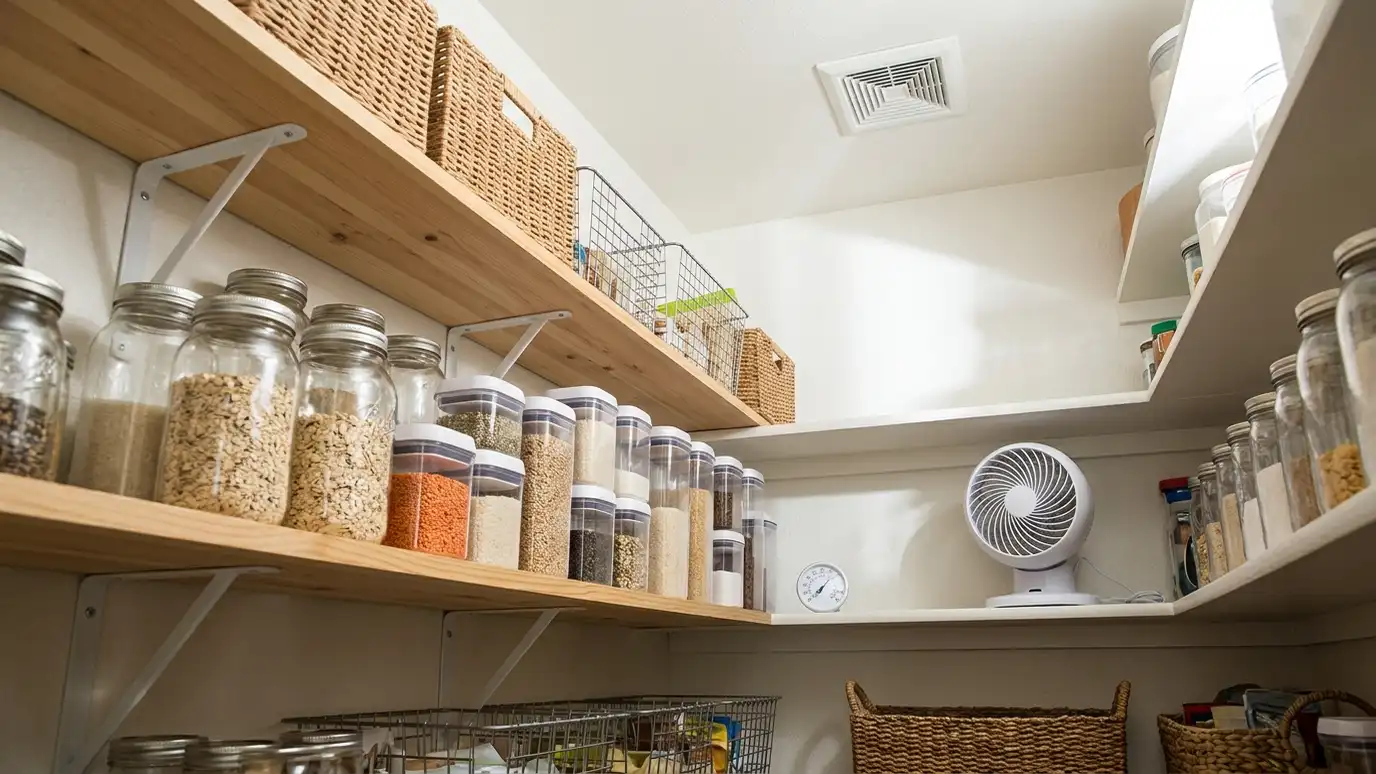
We check the temperature and the airflow, then look at the sources of heat. Solutions include a small vent or louvered door to move air, a quiet fan, insulation in a shared wall and a move of the most sensitive items to cooler shelves. Sometimes the best answer is a layout change that puts heat-sensitive foods in a cooler part of the house. We also advise on which items belong in the refrigerator or a cool cabinet instead, and we plan the pantry accordingly. A small digital thermometer left on a shelf for a few days gives us real numbers to work from, and it often shows that the hottest hours are not the ones people expect.
A simple thermometer reading across the day shows how hot the pantry gets and when.
Louvered doors, vents and a quiet fan keep air from pooling and carry heat away.
Insulation in shared walls and reflective barriers near heat sources reduce warming.
Oils, chocolate and snacks that suffer in heat go on the coolest shelves or in cooler storage.
Drag the handle to compare.
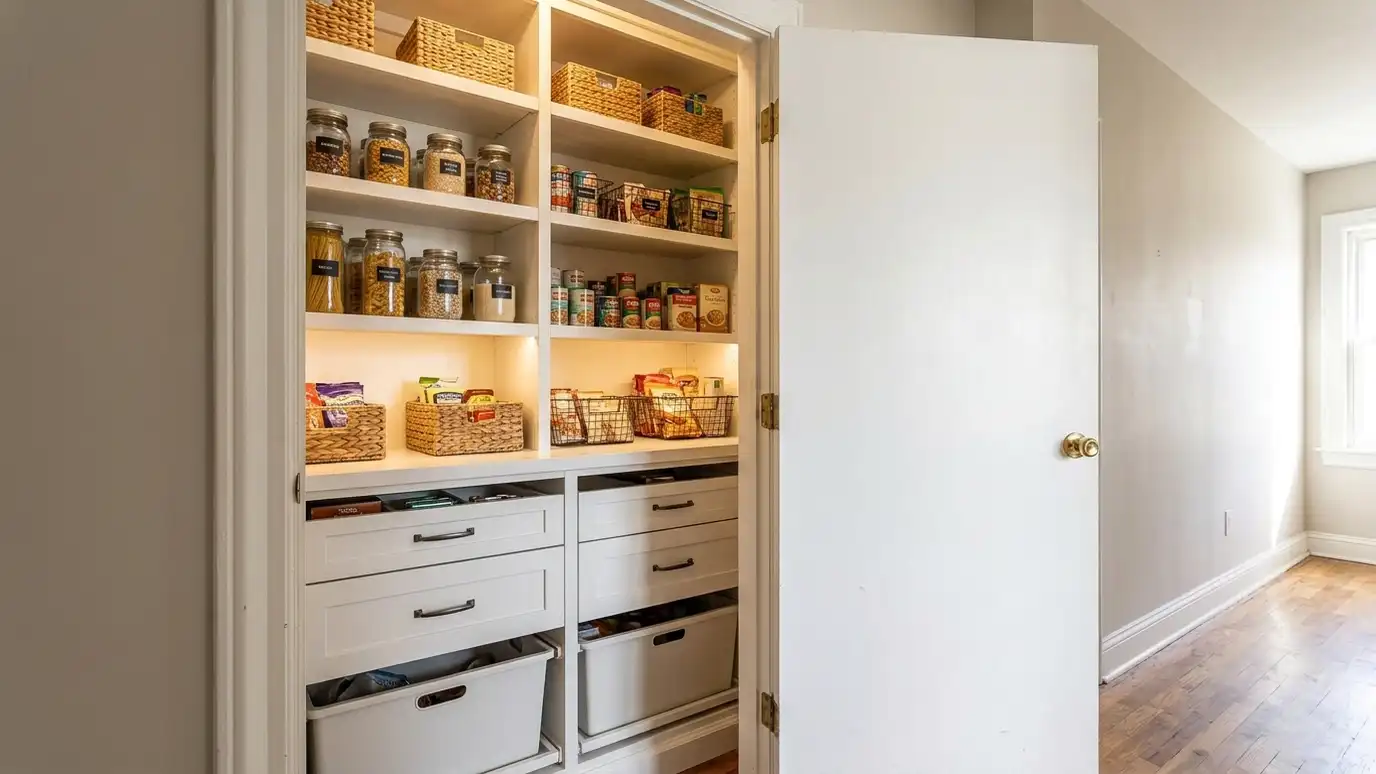
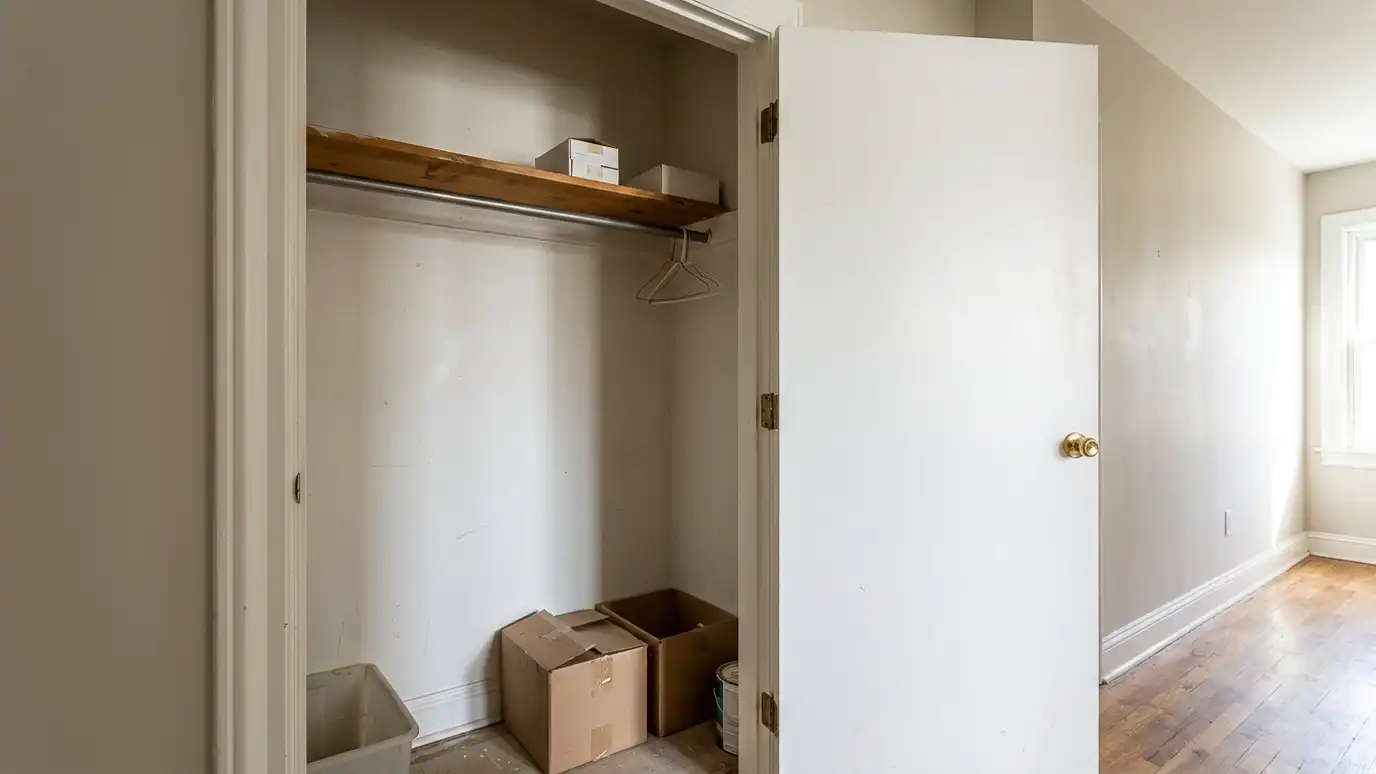 BeforeAfter
Fresher food.
Know your numbers.
Vents and louvers.
Shared walls.
Sensitive items cool.
What belongs elsewhere.
Every topic has its own page with what to expect and how we approach it.
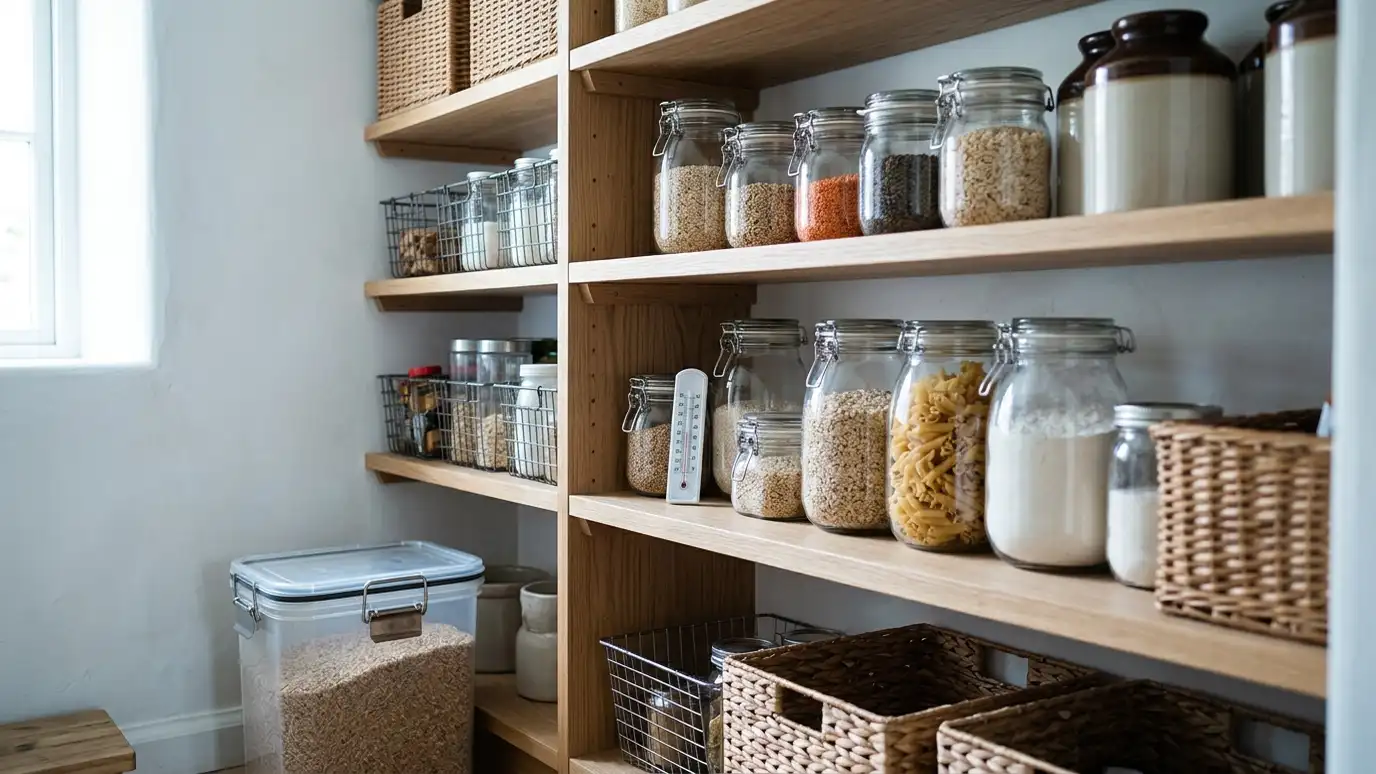 Topic guideVentilation and Food Safety GuideHow temperature, humidity, light and airflow affect stored food, and how to set up a pantry that keeps…Learn more
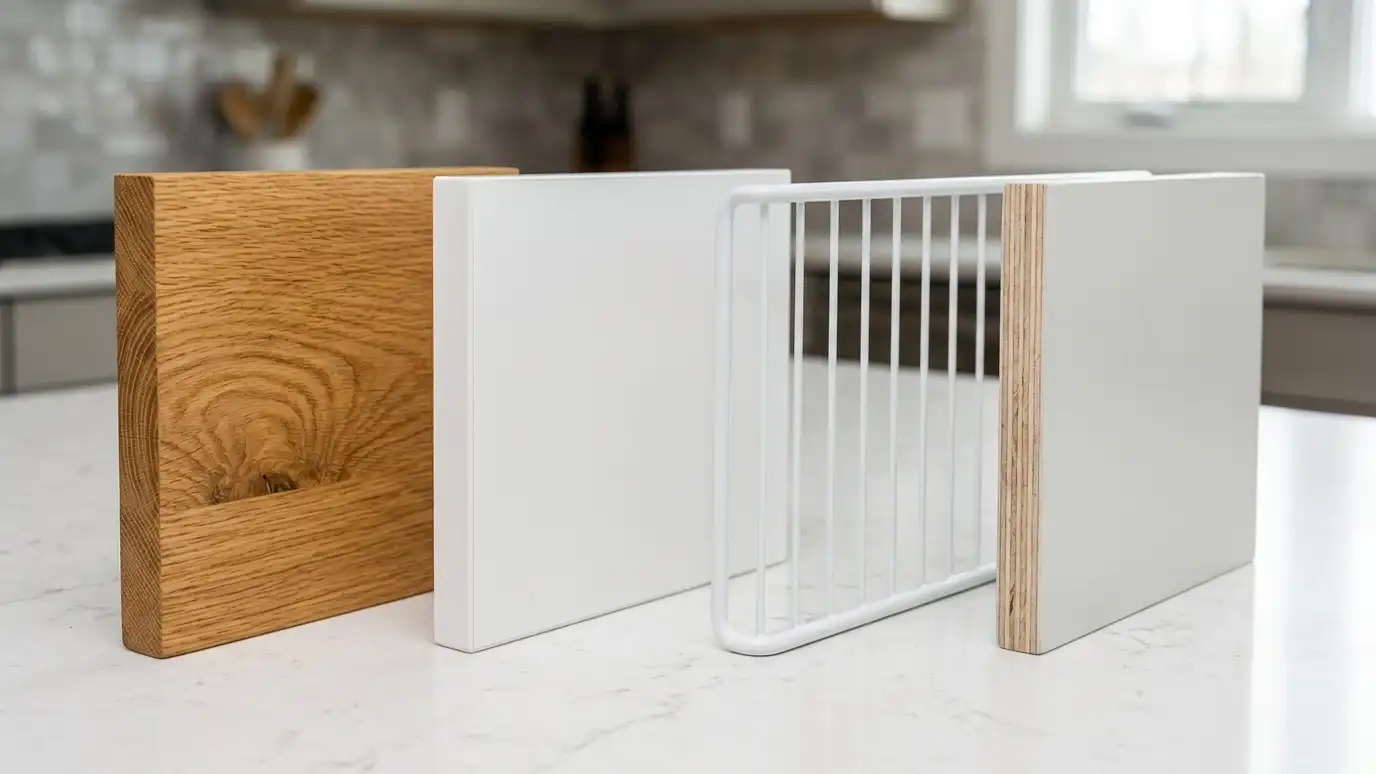 Topic guidePantry Materials ComparedHow wire, melamine, painted plywood and solid wood compare on strength, price, looks and cleaning, with honest tradeoffs…Learn more
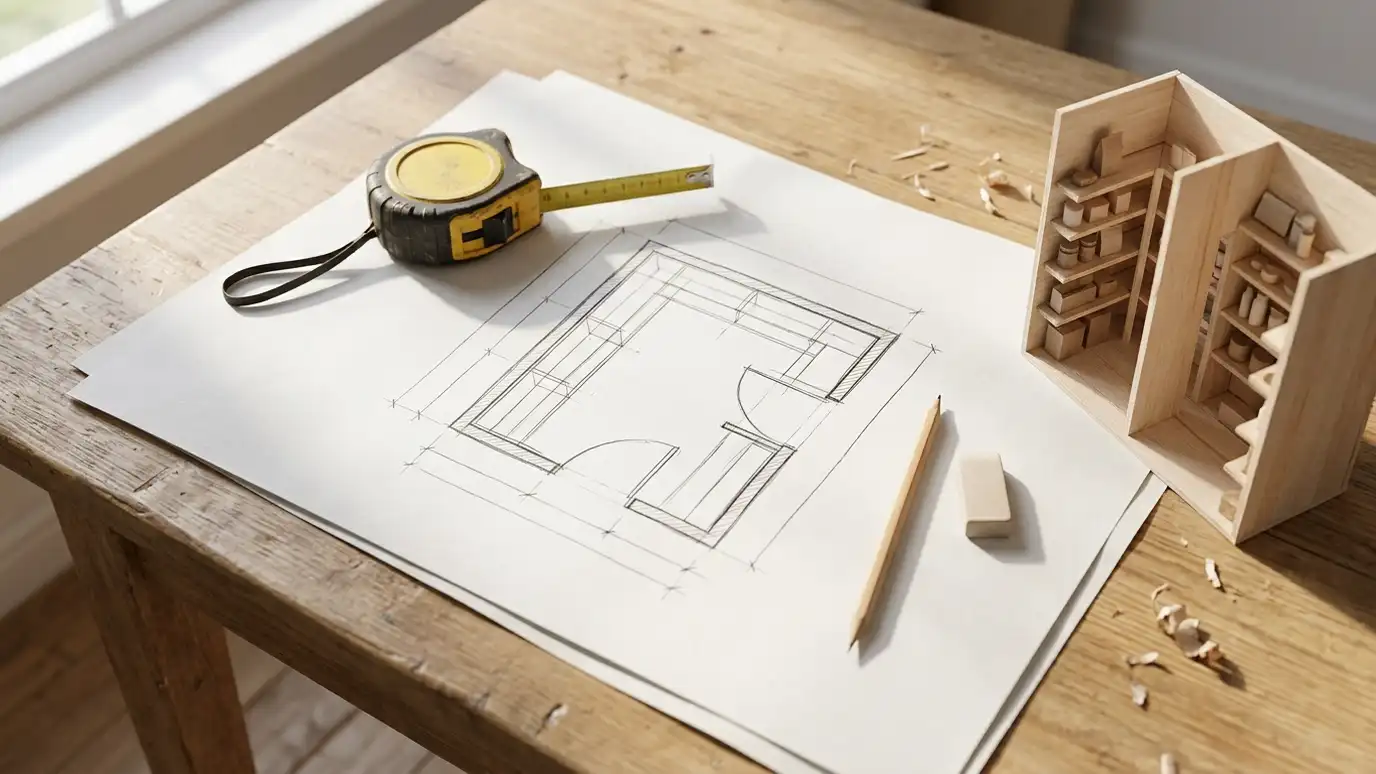 Topic guideSizes and Layouts GuideTypical sizes and layouts for reach-in, walk-in, L-shaped, U-shaped, galley and butler pantries, with notes on what each…Learn more
Tick what you see in your pantry and get a priority list and a plain recommendation: care, repair, improve or rebuild.
You tell us about your pantry and what you want to change, from a small upgrade to a whole new walk-in, and we set a visit that fits your day.
We visit, measure, check the walls, outlets and heat sources and talk through how you cook, shop and entertain.
We plan the layout, shelf depths, doors and lighting and give you an itemized written estimate with options.
Materials and hardware are ordered, the space is cleared and protected and any other trades are scheduled.
Shelving, cabinets, doors and lighting are installed level and tight, with trim and finishing done as we go.
We walk the finished pantry with you, explain care and adjustments and leave the space clean.
Many foods stay freshest at cool, steady temperatures. We advise on specific items.
Often yes, with a louvered door or a small vent.
Yes, especially for walls shared with ovens or exterior walls.
Only if the pantry is cool. Otherwise use a cooler spot.
Yes, small quiet fans work well.
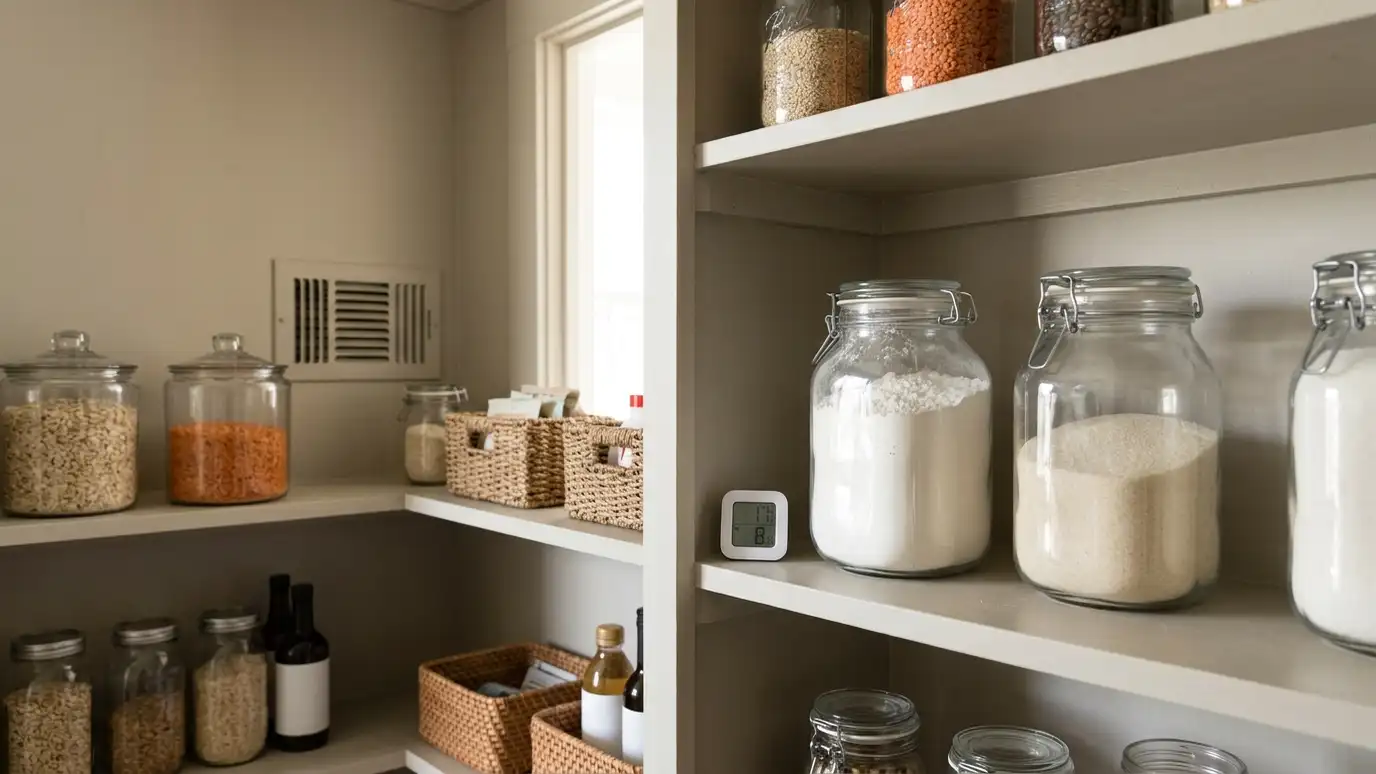 Humidity and Moisture SolutionsFind and fix damp air and moisture sources, with sealed materials, vents and dehumidifier planning to protect food…Explore
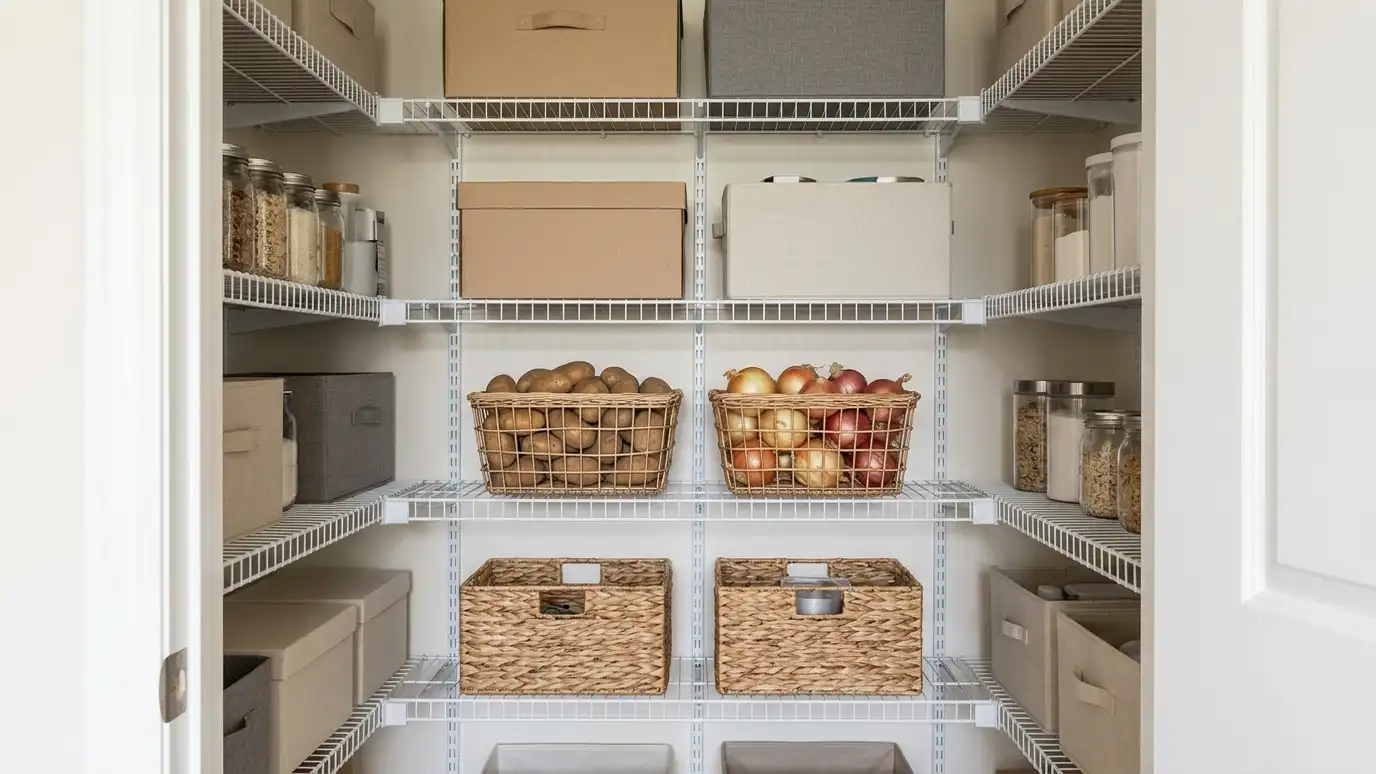 Wire and Ventilated ShelvingCoated wire shelving that lets air move and light pass through, a practical, budget-friendly choice for many closet…Explore
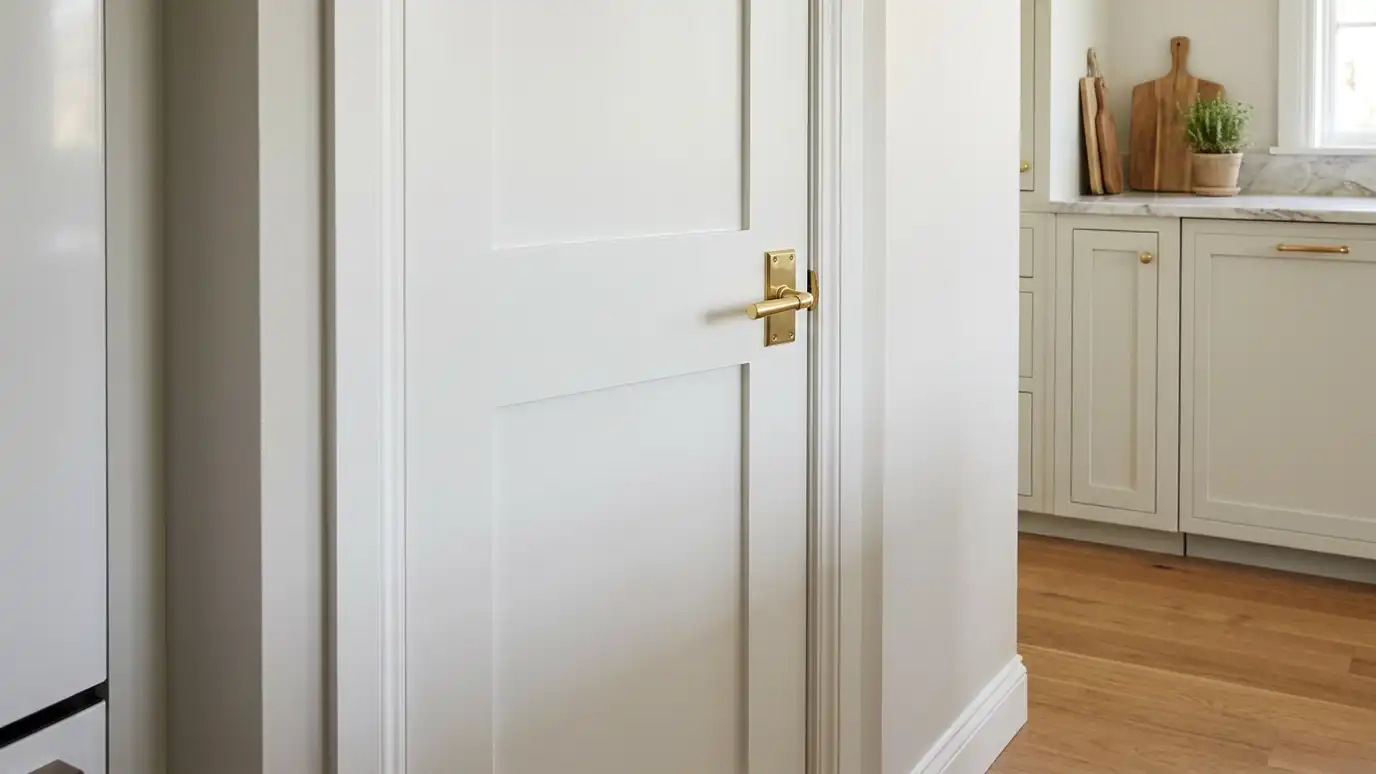 Pantry Door InstallationNew pantry doors hung square and tight, from simple slab and panel styles to full-lite and custom-sized doors…Explore
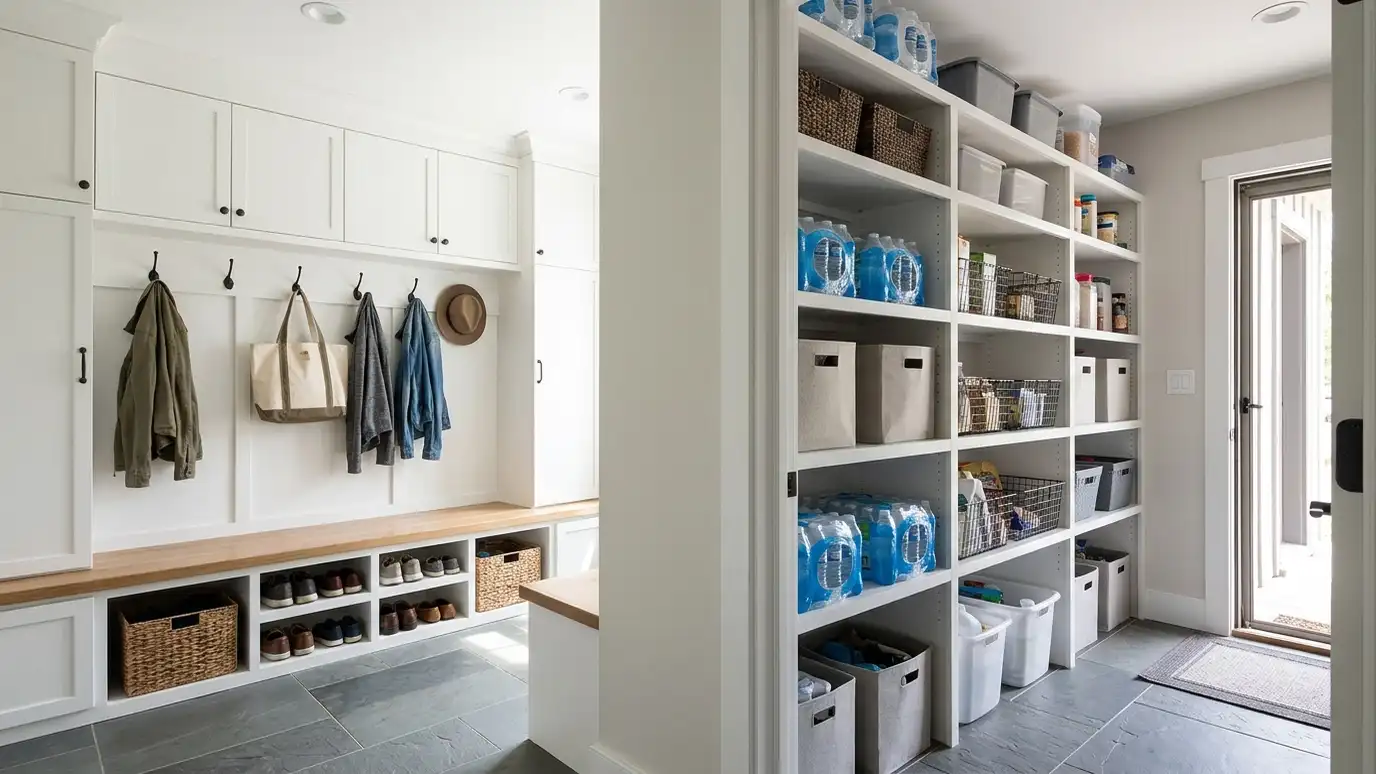 Garage and Mudroom PantriesOverflow pantry storage for bulk food, drinks and supplies near the door where groceries arrive, built to handle…Explore
Tell us about your project and we will call you back to set up a visit.
Or call (615) 357-7797 to talk now.