There is no single right size
Pantry size depends on how many people you feed, how often you shop and how much space you can spare. A couple who shops weekly needs far less than a family of six with a warehouse membership.
The goal is a size that holds what you have with a little room to grow.
Think about the shape as well as the area. A long, narrow room of the same square footage can work very differently from a square one, and a good designer will look at both when recommending a layout.
Typical dimensions
Reach-in closets are often two feet deep and three to six feet wide. Walk-in pantries commonly measure four by five feet up to six by eight feet or larger. Pull-out cabinets can be as narrow as six inches.
These are starting points, and many successful pantries fall outside them.
Do not rule out a space because it falls outside the typical ranges. Many excellent pantries are built in odd corners, under stairs or along a hallway, and creative planning often beats extra square feet.
Layouts that work
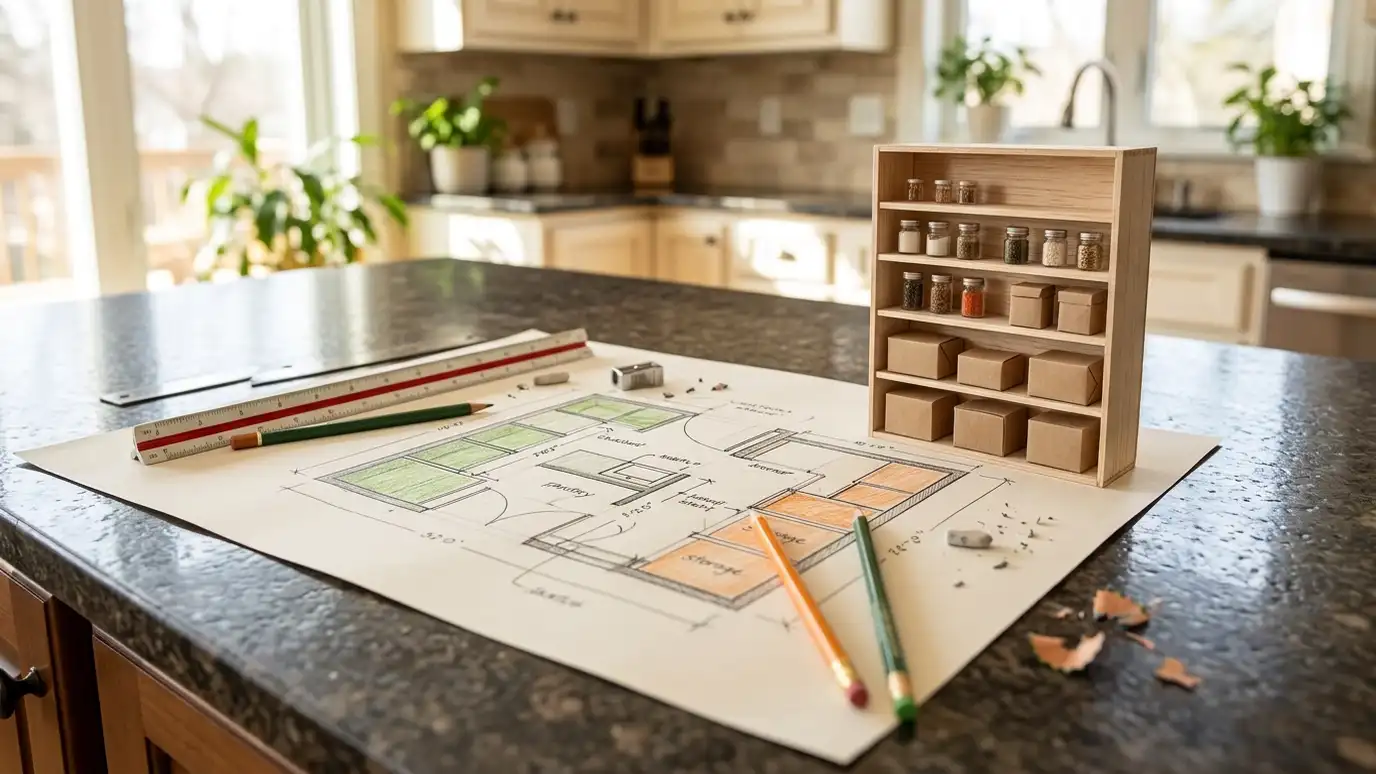
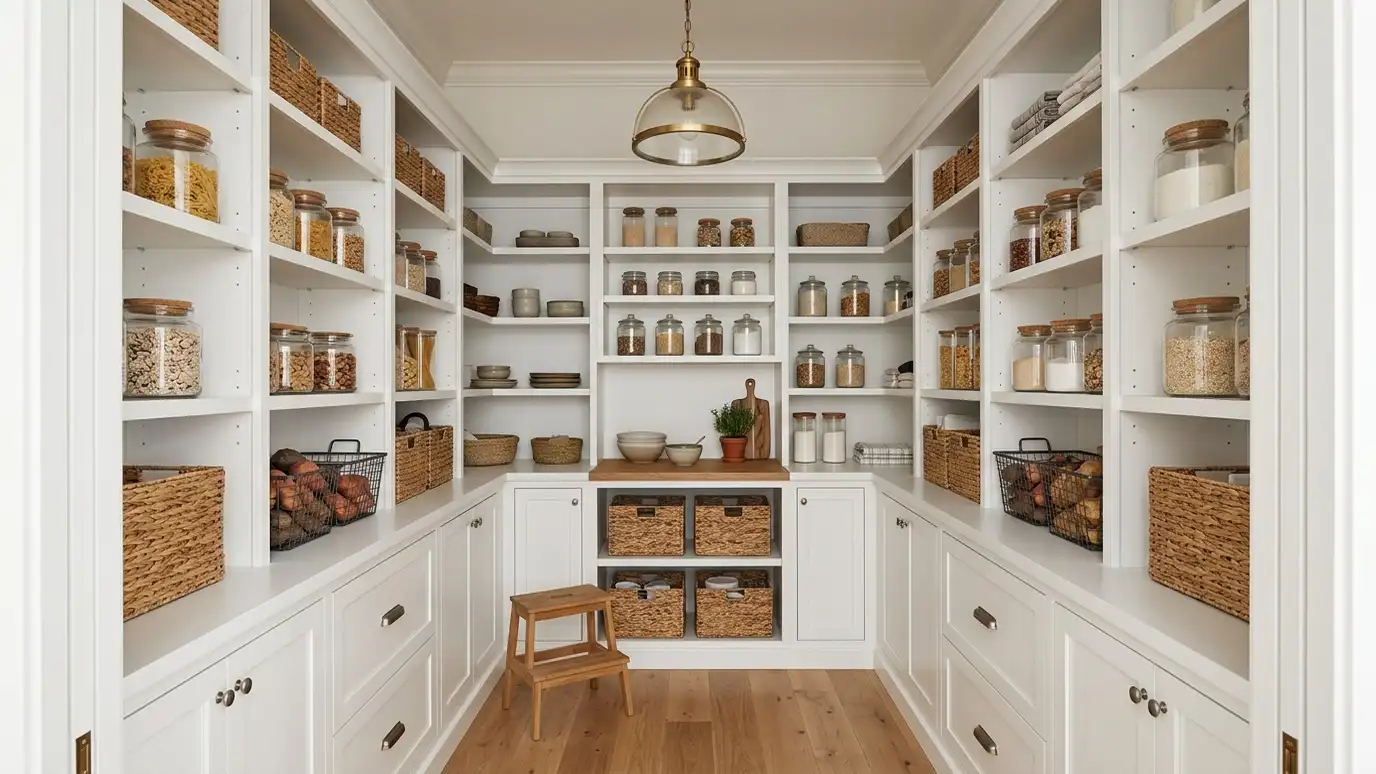
A galley layout has shelves on two sides. An L-shaped layout wraps a corner. A U-shaped layout uses three walls and maximizes storage. A single-wall layout is simple and fits a hallway or niche.
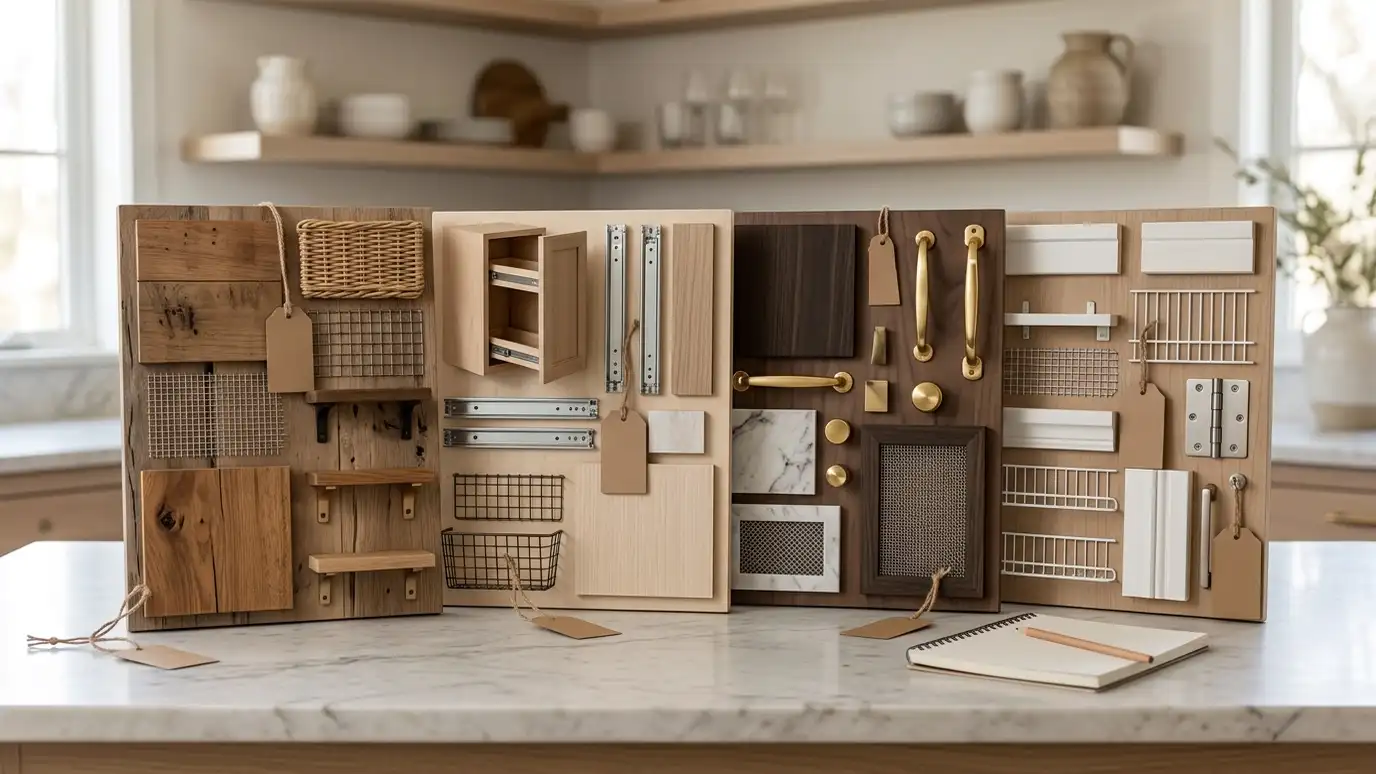
Each layout can include a counter, drawers and a door of your choice.
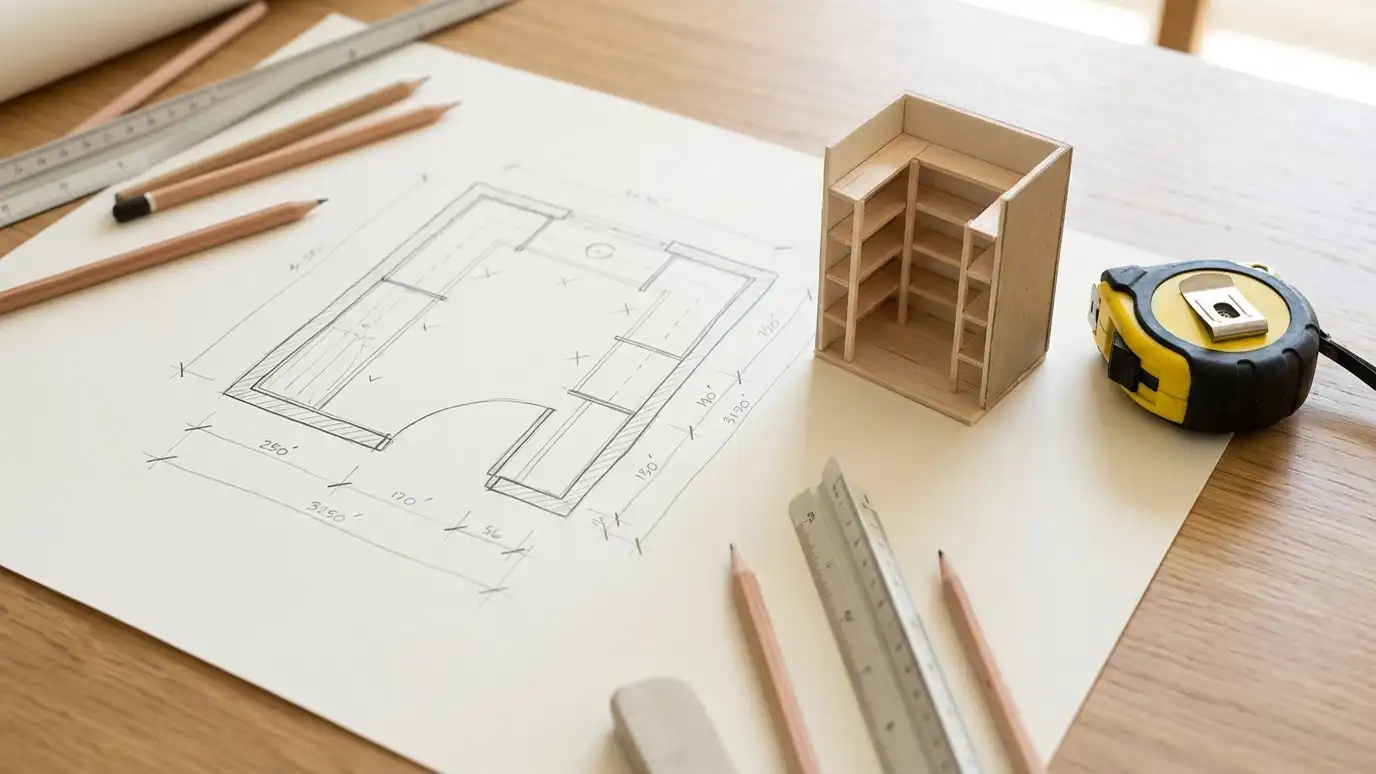
If you are choosing between layouts, tape the floor plan on the ground and walk through it carrying a grocery bag. The experience tells you right away whether the aisle feels generous or cramped.
Aisle width and clearance
A walk-in aisle of thirty-six inches lets two people pass and a door swing comfortably. Thirty inches works for one person. The door swing matters, because a door that opens into the aisle uses space.
Sliding and pocket doors can recover that space.
Remember that doors, drawers and appliances need clearance too. A pantry that looks big on paper can feel small when a door swings across the aisle or a drawer hits the opposite shelf.
Estimating your storage need
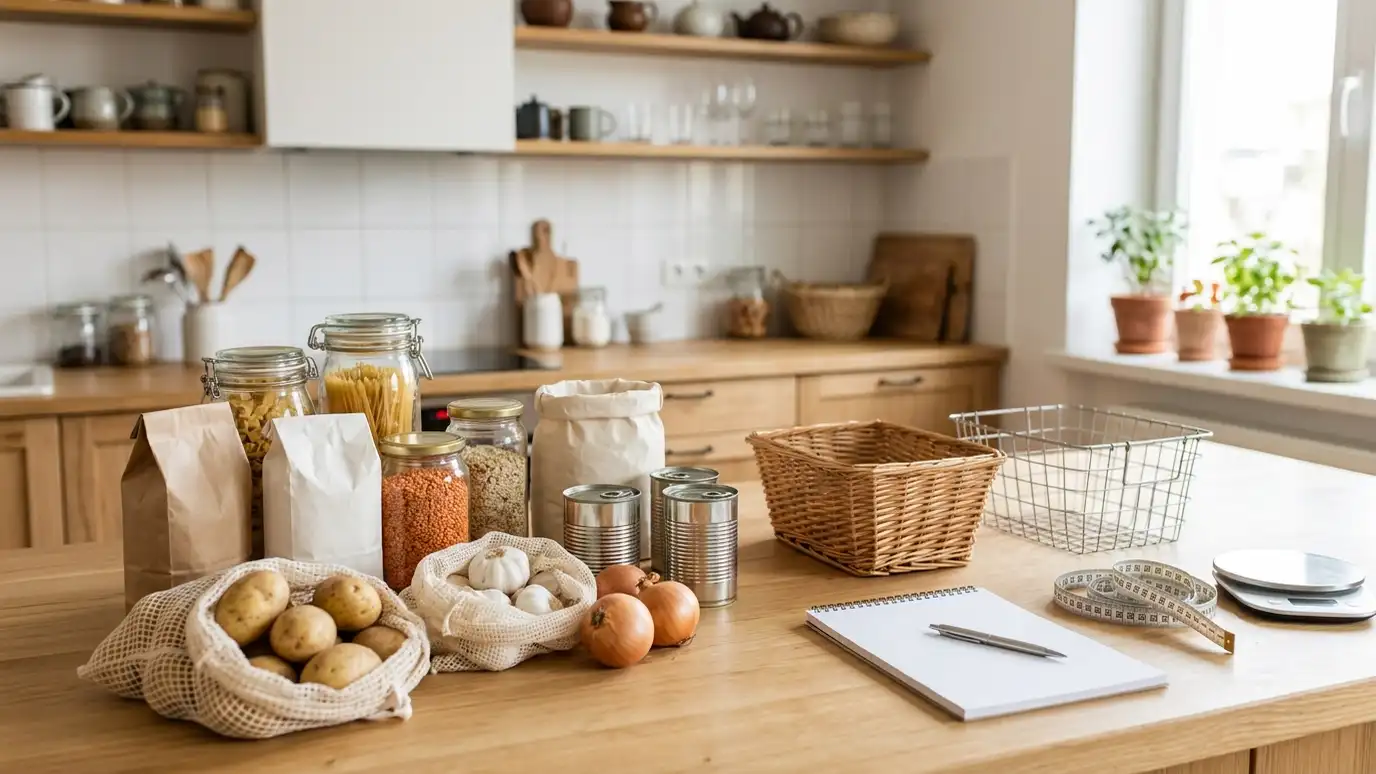
Count your weekly groceries, bulk purchases, appliances and entertaining supplies. Estimate how many linear feet of shelving each category needs. Our capacity tool does this math for you.
Add about twenty percent for growth, since a full pantry stops working well.
Write the numbers down for a month, noting how many items you buy, how long they last and what you throw away. These simple observations produce a much more reliable estimate than a guess.
When space is limited
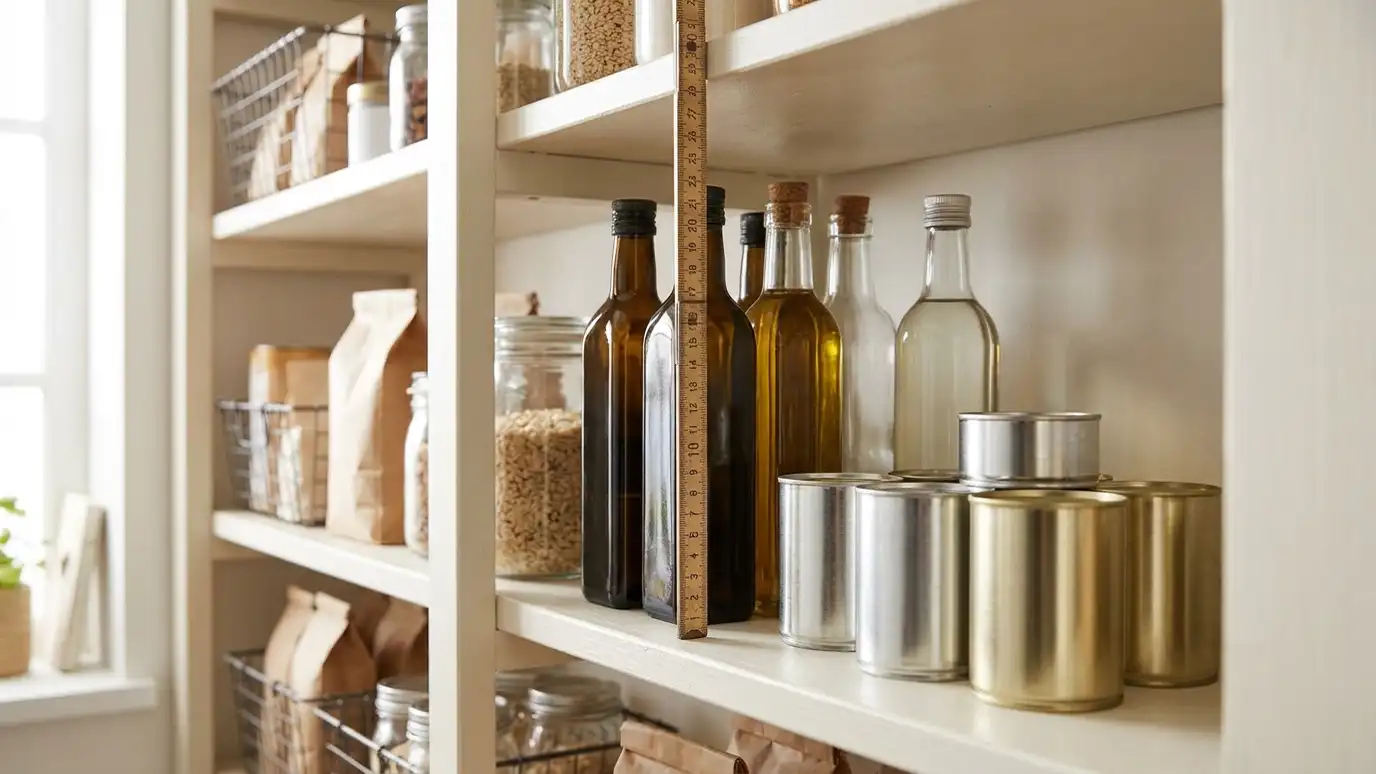
Use vertical space, door racks, slim pull-outs and under-stair or garage overflow. A small pantry can work hard if it is planned well.
Do not forget the space in the kitchen itself, such as a gap beside the refrigerator.
Small pantries benefit from honest decisions about what really needs to live there. Storing seldom-used items elsewhere frees prime space for the things you use every day and makes the room feel larger.
When you can expand
If your pantry is too small, borrowing space from a nearby closet or moving a wall can double it. This takes planning and the right trades, but the payoff is large.
A free estimate visit can tell you whether this option is practical.
Expansion is easier in some homes than others, so ask early. A quick look at the wall and what runs through it will tell you whether the idea is practical or whether another approach would be wiser.
Estimate what you store, add room to grow and choose the layout that fits your space and your way of working.