Shelves that are too deep
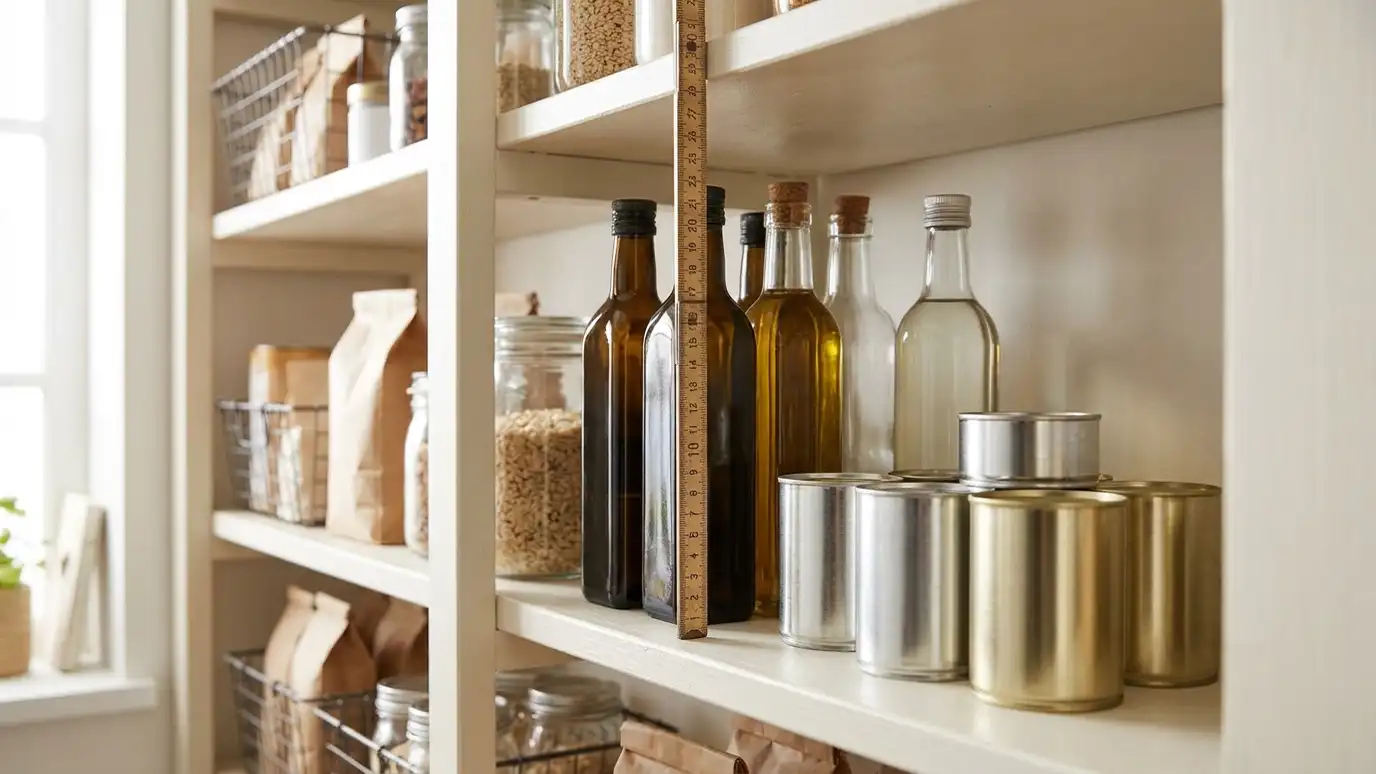
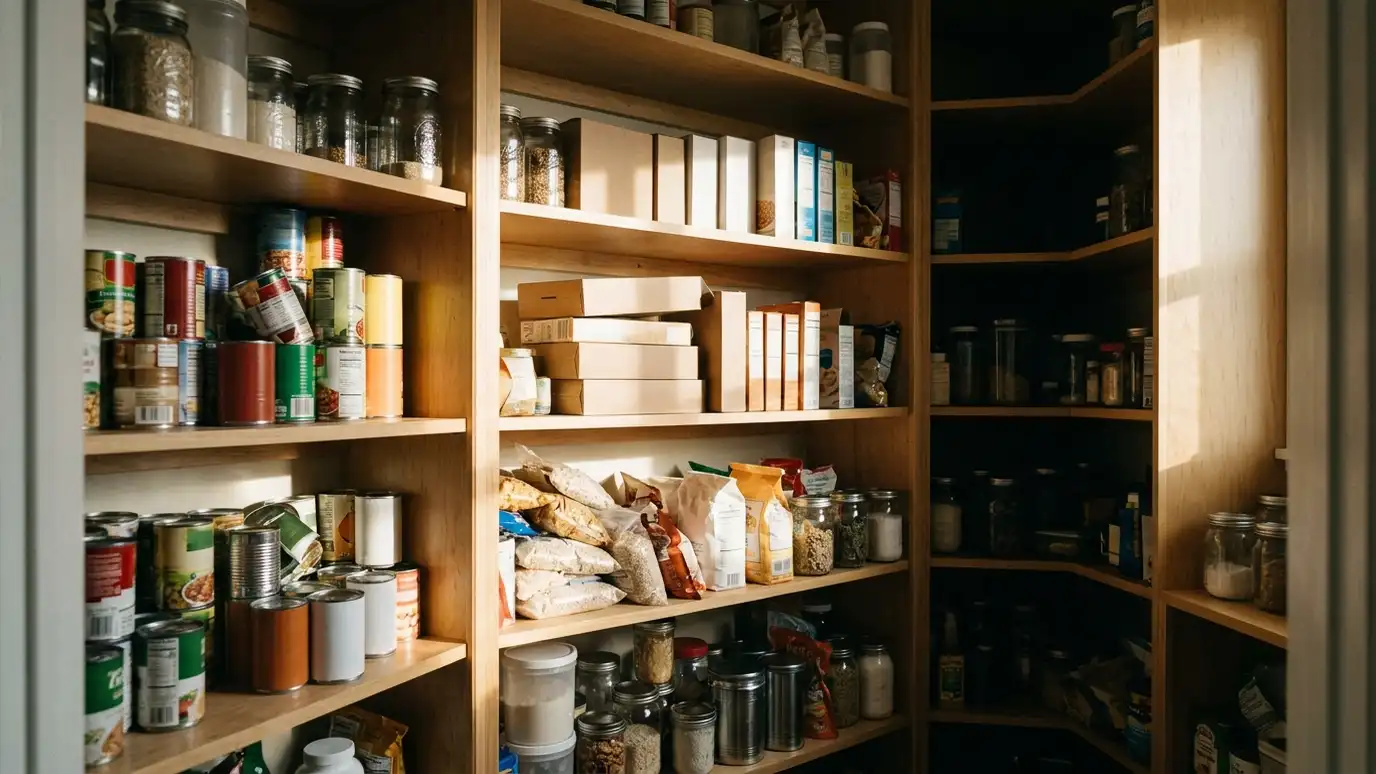
Deep shelves hide items behind other items. They feel generous but waste food and time. Keep depths to about twelve to sixteen inches for most shelves, and deeper only low for bulk.
Pull-outs or turntables solve depth where it cannot be avoided.
A quick way to test depth is to place a row of boxes at the proposed depth and try to reach the back. If you cannot see or touch the last one, the shelf is too deep for daily items.
Fixed spacing
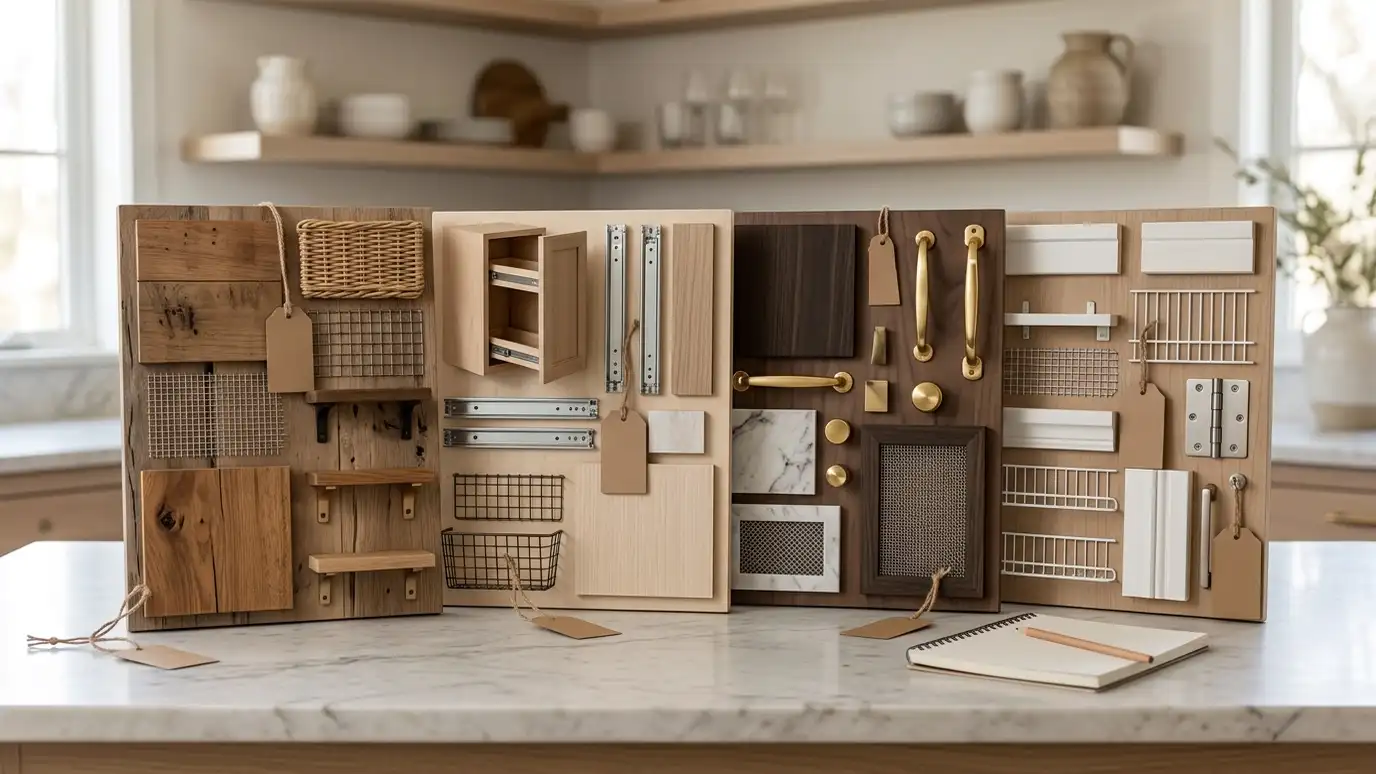
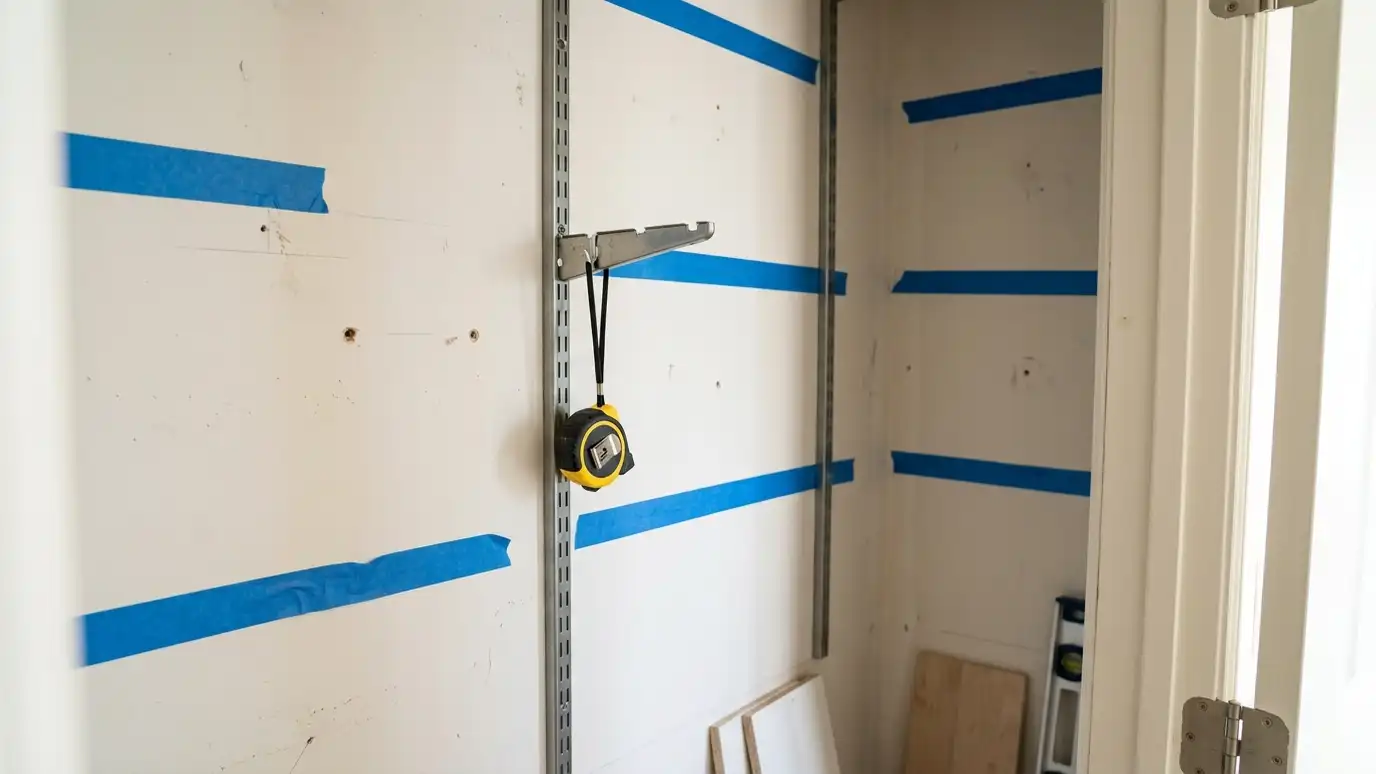
Shelves set at one height cannot adapt. Needs change, and tall items eventually arrive. Use adjustable tracks or pins whenever possible.
It is the most affordable insurance in the project.
Even if you choose fixed shelves for budget reasons, add a few adjustable ones in the most-used zone. That small compromise keeps flexibility where you will need it most.
Weak anchoring
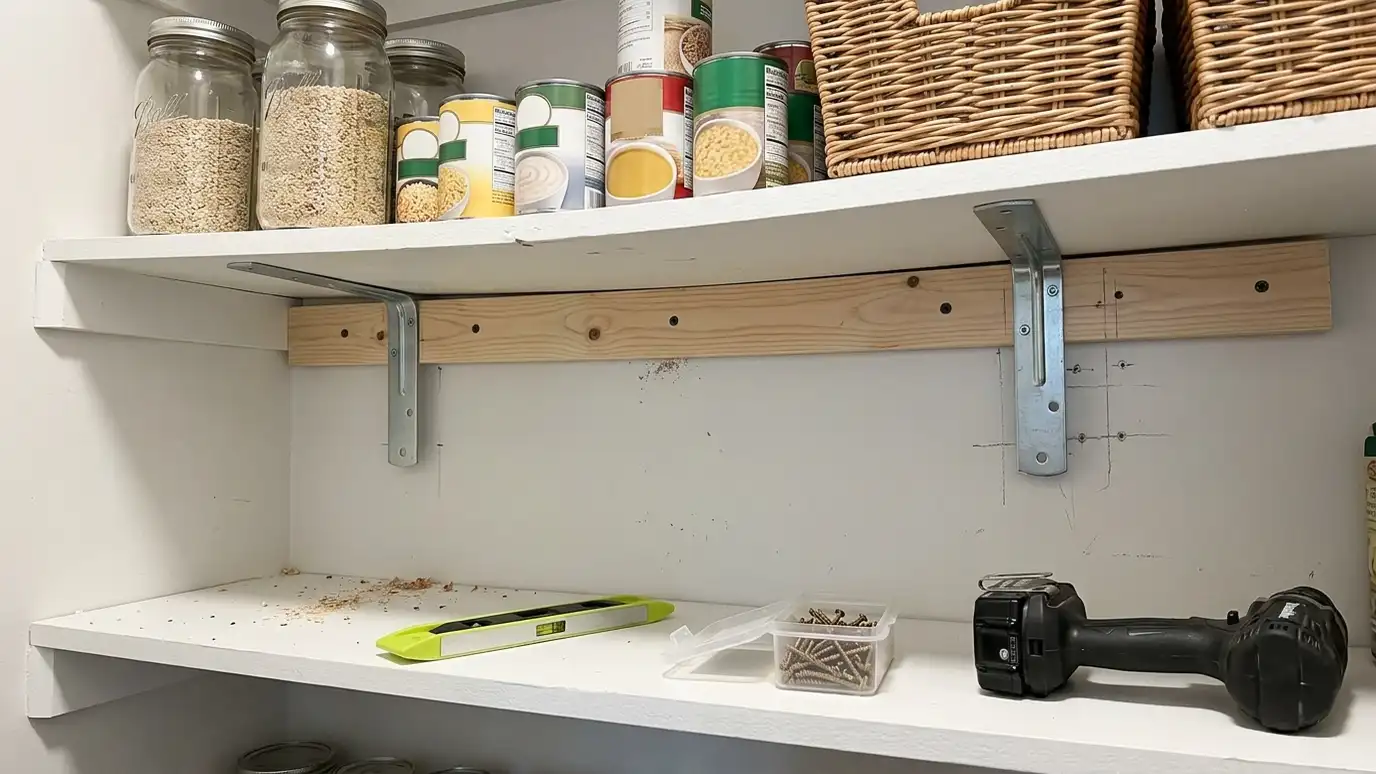
Shelves fastened only into drywall pull away under heavy loads. Cans are heavy. Use studs or blocking, and plan spans or supports for long shelves.
A sagging shelf is a warning, not an annoyance.
Ask your installer what fasteners they will use and where they will anchor them. A confident, specific answer is a good sign, while a vague one is a reason to look more closely at the plan.
Poor lighting
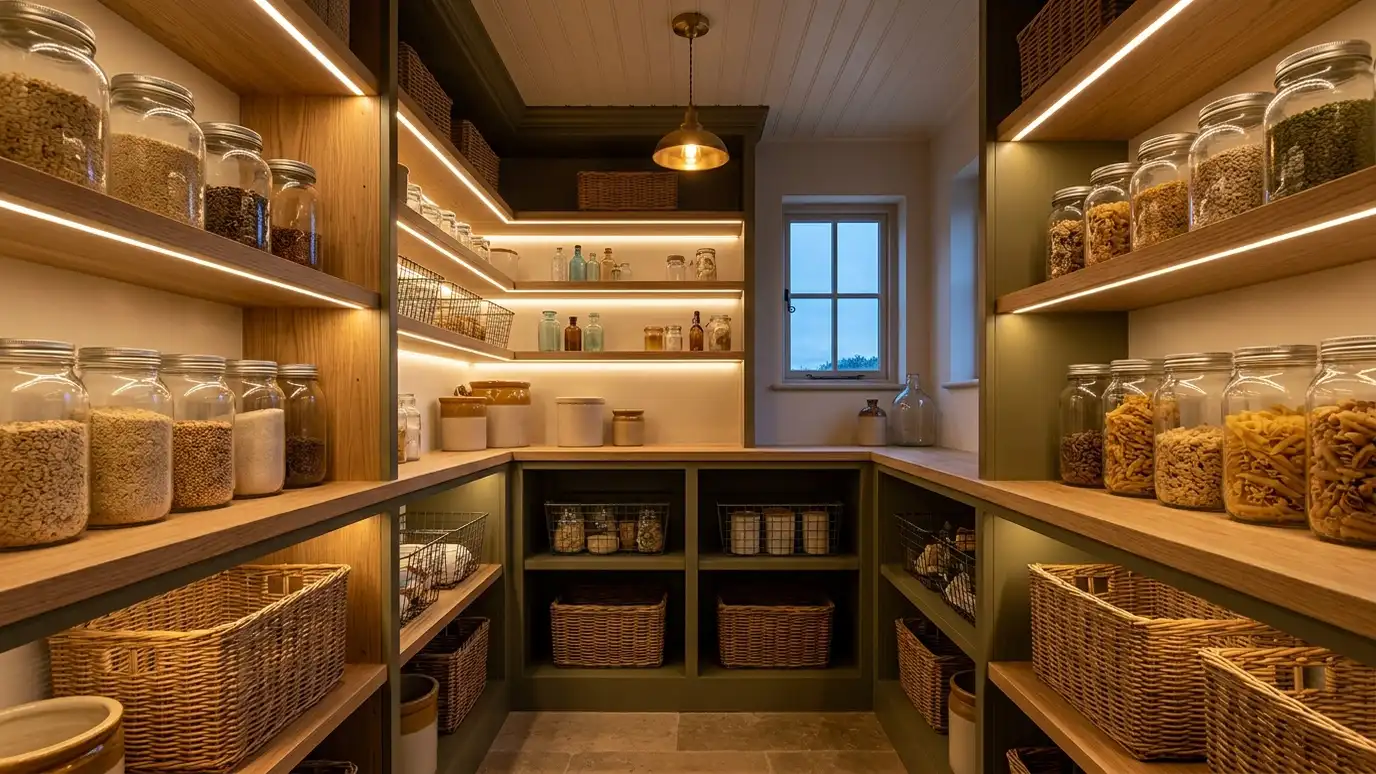
A single dim bulb leaves shadows and hides items. Add light along the front of each shelf and general light in a walk-in. Use warm white and a door switch.
Good light is among the most affordable upgrades.
Test lighting at night, not just in daylight. A pantry that looks bright at noon can be gloomy in the evening, which is when most people cook and look for ingredients.
Ignoring the door
A door that bumps cabinets, blocks the aisle or sticks makes the pantry annoying. Plan the swing, or choose a barn, pocket or hidden door when space is tight.
Hardware quality matters too.
Check that the door opens fully without hitting anything and that the aisle stays clear when it is open. A door that blocks the aisle will annoy you hundreds of times a year.
Forgetting heat and moisture
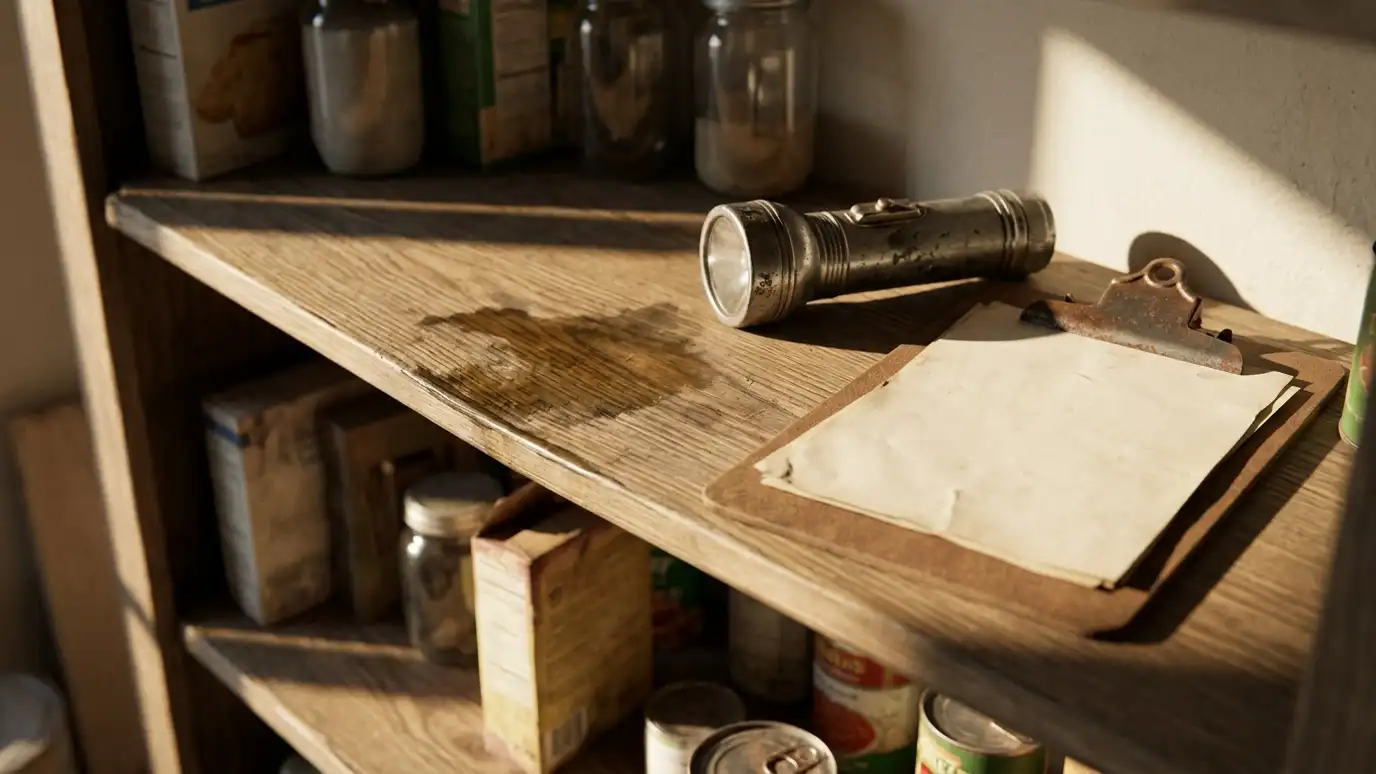
A pantry beside an oven or on a damp wall shortens food life. Check temperature and humidity, and plan ventilation or insulation where needed.
Store sensitive items in the coolest spot.
Keep a thermometer on the shelf for a few days before finalizing the plan. It takes no effort and may reveal that your preferred spot for oils and snacks is too warm.
Not planning for growth
A pantry that is full on day one stops working. Leave room for new items and bulk purchases. Plan zones that can expand and use adjustable hardware.
A little empty space makes the whole system easier to keep.
Leave at least one shelf or zone intentionally empty at first. It will fill quickly, and having room for the unexpected keeps the whole pantry working smoothly.
Keep shelves shallow, adjustable and well anchored, light every shelf and plan for heat, moisture and growth.