Why there is no single price
Two pantries of the same size can cost very different amounts, because pantry pricing follows the materials, the hardware and the work around the shelves, not just the square footage. A closet with simple adjustable shelving is a different project from a walk-in with built-in cabinetry, a glass door and lighting. Prices you read online are averages across very different jobs, which is why they rarely match your own.
The more useful question is what you want in the space. Once the shelves, doors, lighting and finishes are written down, any installer can price the same list, and you can see where the money goes.
A useful habit is to write down your top three wants before anyone gives you a number. When a price comes back higher than you hoped, those three wants tell you what to protect and what can be simplified without regret.
The shelving itself
Wire, melamine, painted plywood and solid wood sit at different price levels. Wire is the most economical, melamine is a strong middle, and plywood cabinetry and solid wood sit higher. The depth of the shelves, the number of shelves and the length of each span also change the amount of material used.
The most important point is to match the material to how you will use the pantry. Heavy bulk storage in a garage and a showpiece butler pantry call for very different choices.
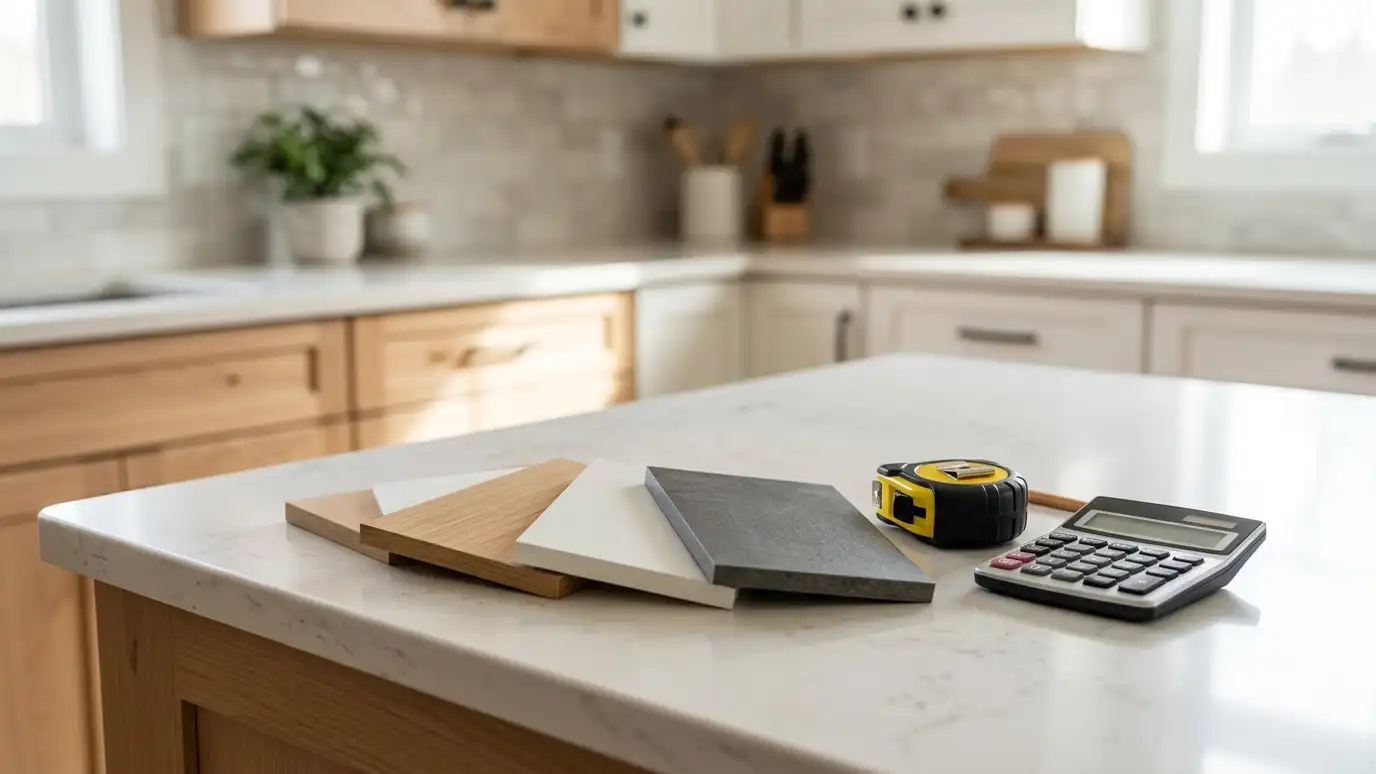
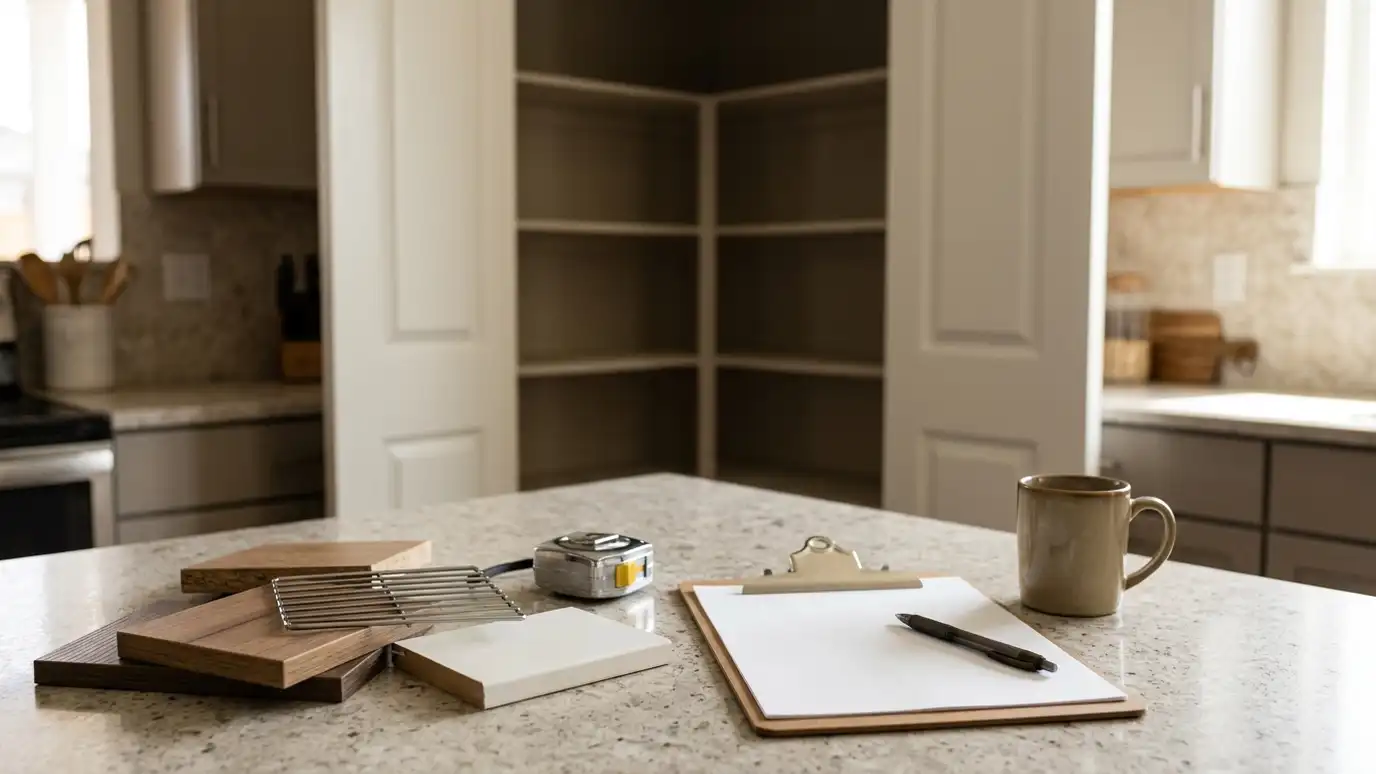
Ask to see samples of the actual boards and hardware in your hand. A sample tells you more about quality and finish than a catalog description, and it prevents the disappointment of a surprise at installation time.
Drawers, pull-outs and hardware
Moving parts add cost because they add parts and precision. Full-extension drawers, pull-out cabinets, lazy Susans and soft-close hardware all increase the price, and they also increase how well the pantry works. Quality slides and hinges matter more than the box around them.
A smart approach is to add moving parts where you reach most, such as the lower shelves, and keep the upper shelves simple.
Hardware is the part you touch most, so it deserves attention in the budget. A smooth slide that works for a decade is worth far more than a rough one that fails after a few years of daily use.
Doors, lighting and finishes
A plain hinged door costs far less than a custom barn door, a glass French pair or a hidden door. Lighting ranges from a simple plug-in strip to a hardwired layout with switches and dimmers. Paint, wallpaper, trim and flooring each add their own line.
None of these choices is wrong. It helps to know which ones you are making, so you can decide where to spend and where to save.
Lighting and doors are often treated as afterthoughts, yet owners usually say they are the details that make the finished pantry feel special. Setting aside a modest allowance for them early avoids hard choices later.
The work around the pantry
Removal of old shelves, wall repair, electrical work, painting, flooring and trim are separate items that casual comparisons often leave out. In older Nashville homes, closets may need drywall repair or leveling before new shelves can go in.
Ask every installer to list these items so you can compare fairly. A quote that omits preparation or finishing may look lower, but you will pay for those steps later.
Hidden conditions can also move the number, such as damaged drywall, uneven floors or old wiring. A thorough site visit lets an installer flag likely surprises, which is far better than discovering them halfway through the work.
Where to spend and where to save
Spend on what you touch and see every day: strong anchoring, good hardware, a comfortable layout and light. Save by choosing simpler doors, adjustable melamine shelving and a phased plan that adds drawers or a counter later.
Mixing is common. A pantry might have solid wood on a display wall and melamine on the working walls, which stretches the budget without losing the look.
If your budget is tight, ask about a phased plan. Shelving and lighting first, then drawers, then a counter or door upgrade, lets you spread the cost and still end with the complete pantry you imagined.
How to compare quotes fairly
Ask each installer to price the same layout, the same materials, the same hardware and the same finishes, and to state what is included. Look for detail on measuring, design, installation, trim, cleanup and follow-up. A very low quote may leave something out or assume a simpler material than you expect.
Check how long the quote is held and what happens if the plan changes. Clear answers are a good sign.
Finally, notice how an installer responds to your questions. Clear, patient answers during the quoting stage are a good sign that the same attitude will carry through the work, the cleanup and any follow-up that is needed.
Decide what you want in the pantry, price the same written scope with every installer and make sure preparation, trim and finishing are on the list.