Why shelving matters most
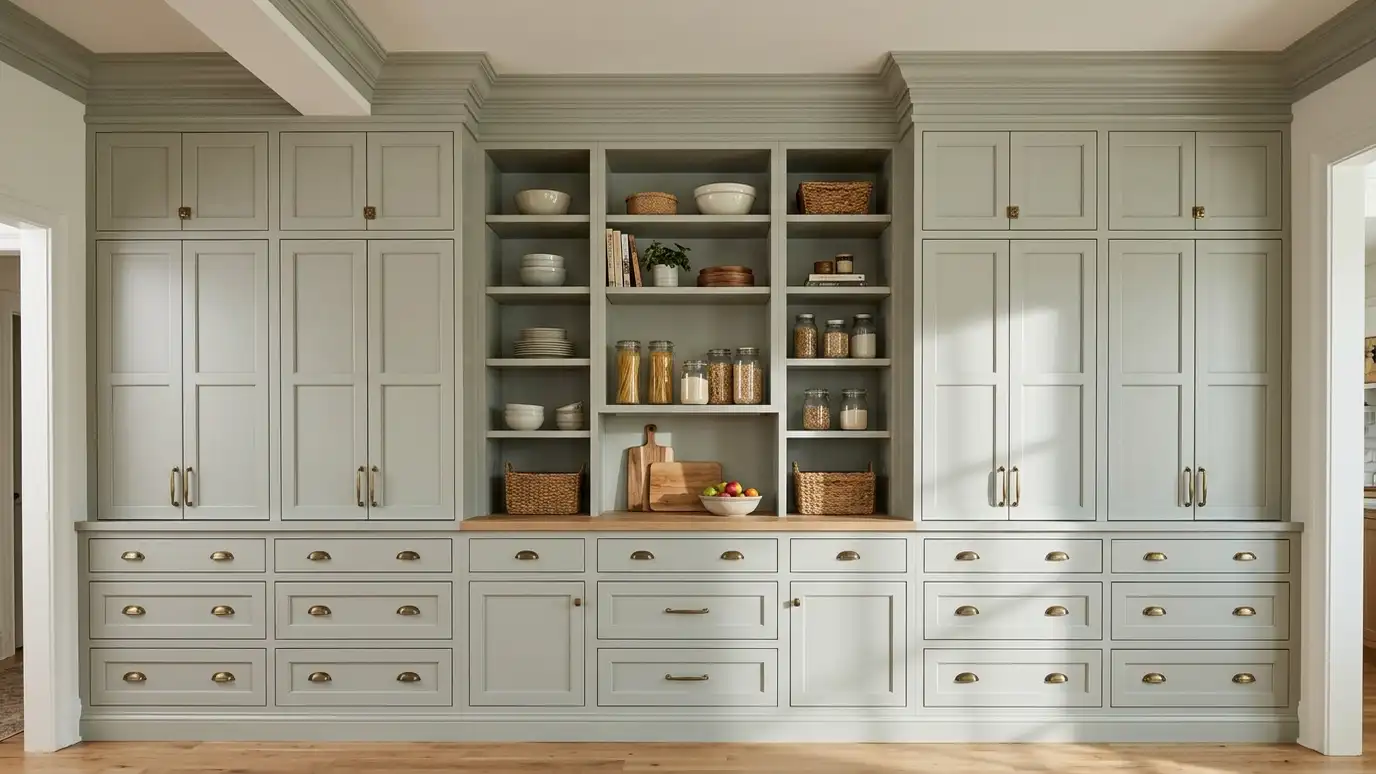
Shelves are the heart of the pantry. They decide how much you can store, how easily you can see it and how long the system lasts. Good shelving feels invisible, and poor shelving is a daily annoyance.
A little planning at the start pays back for years.
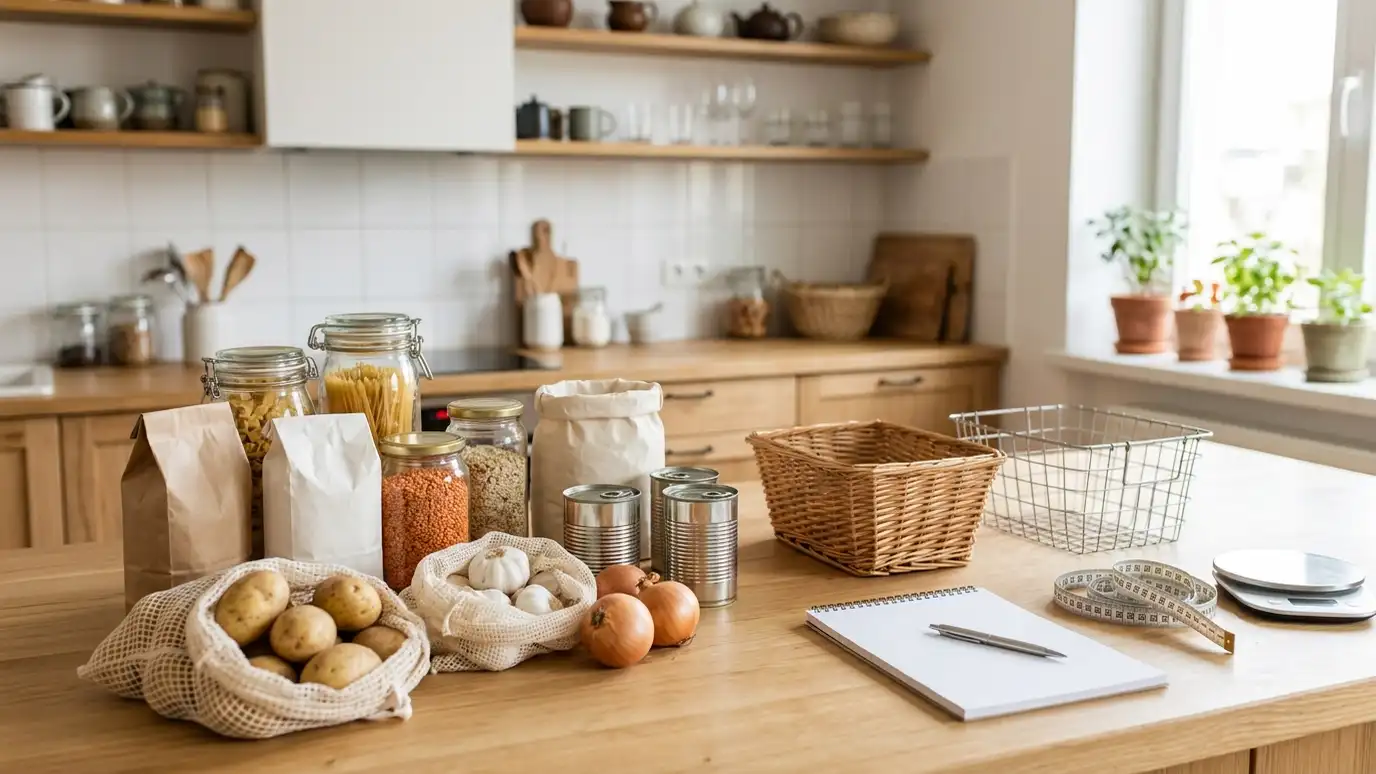
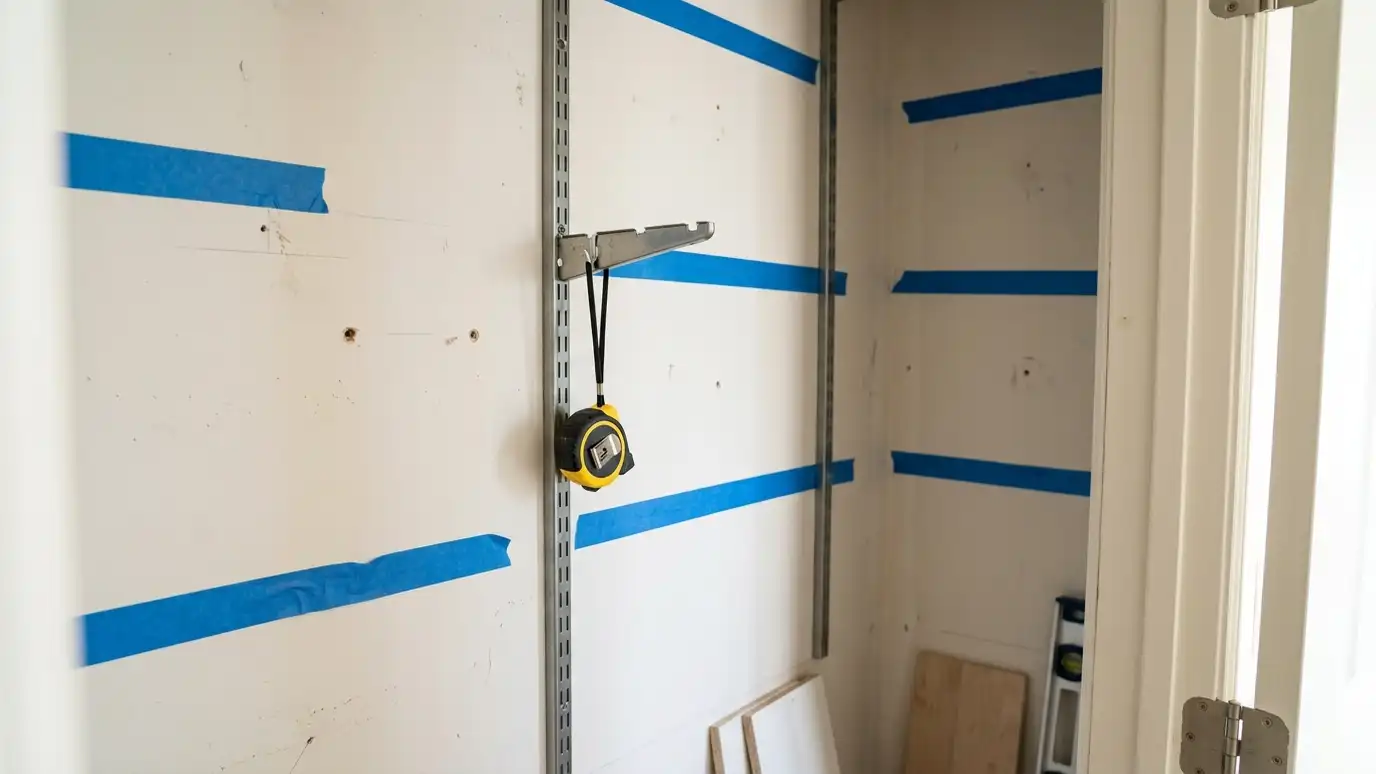
Standing in the empty space with a tape measure and a list of your items is the best start. Planning from real objects, rather than from a catalog, is what separates a pantry that works from one that merely looks tidy.
Material choices
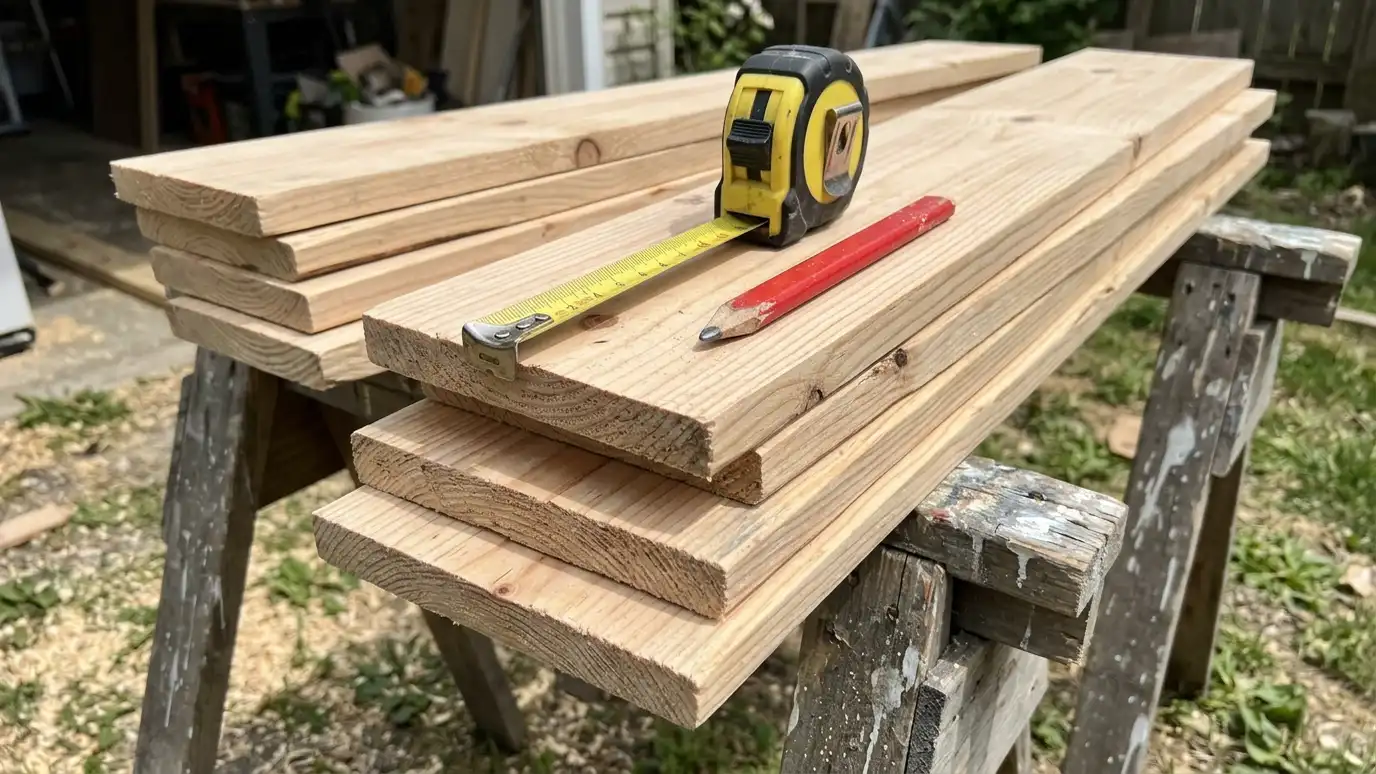
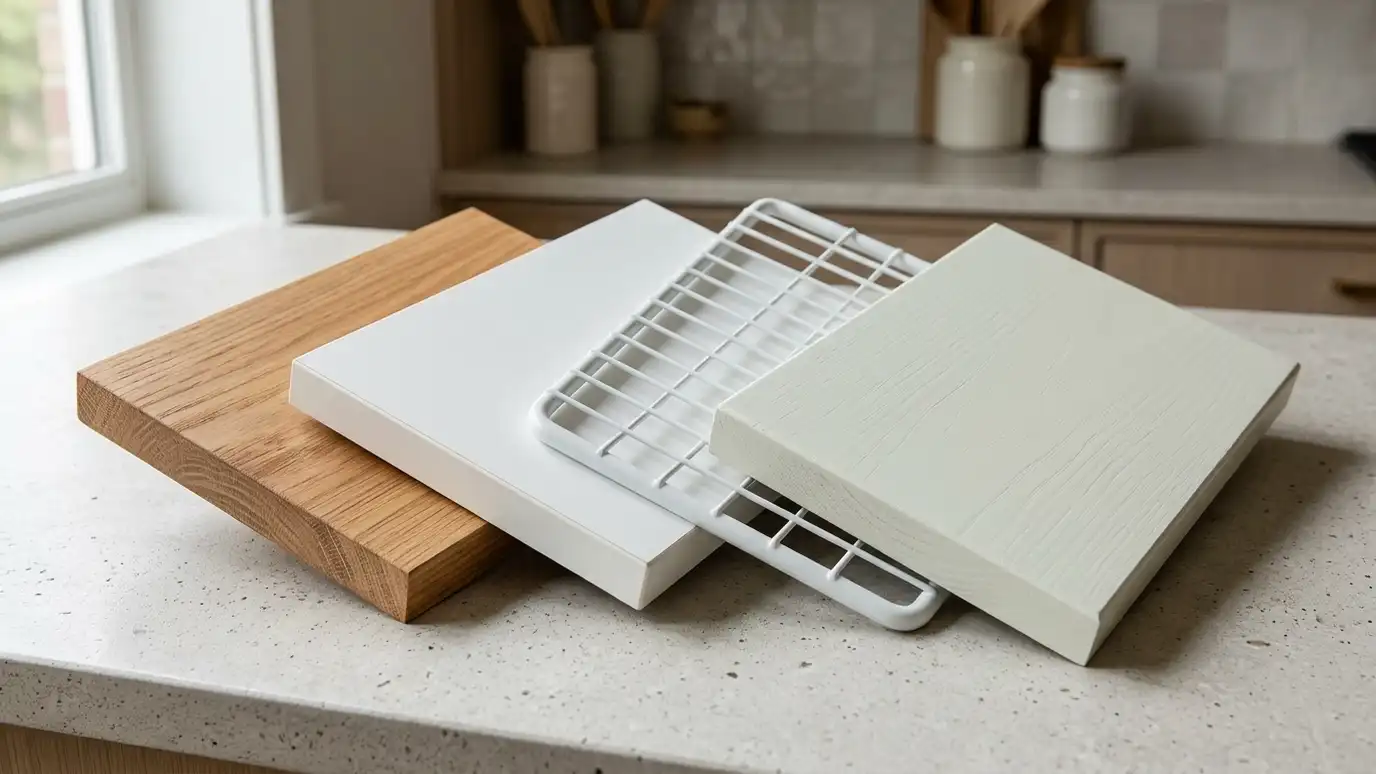
Wire is light, ventilated and economical. Melamine is smooth, hard and easy to clean. Painted plywood looks refined and builds well into cabinetry. Solid wood is warm and repairable. Each has strengths, and many pantries mix them.
Our materials comparison covers the tradeoffs in more detail.
If you cannot decide between materials, ask to see samples side by side in the pantry itself. Light, color and scale look different in the real space, and one option often becomes the obvious choice.
Depth by zone
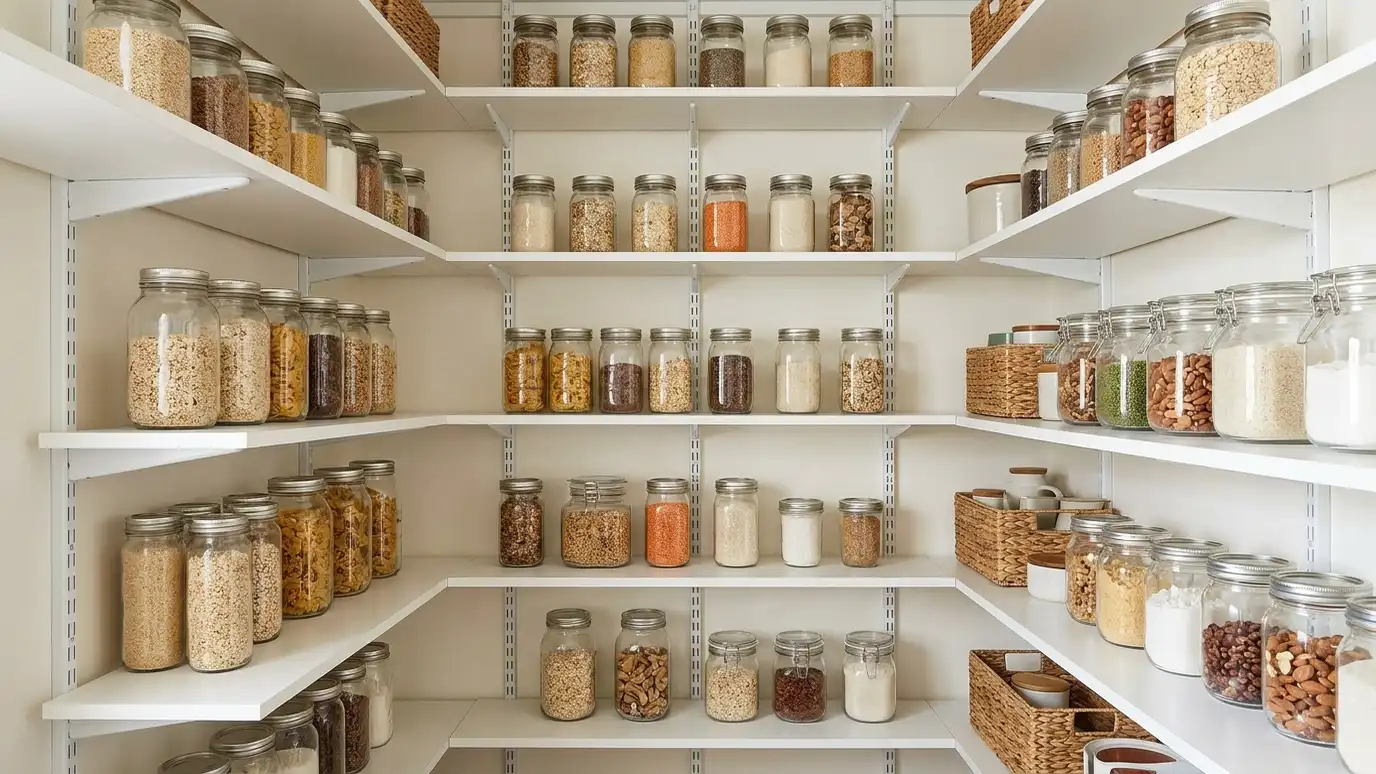
Twelve inches suits most cans and jars, sixteen suits boxes, and twenty or more suits bulk goods and appliances. Shallow shelves at eye level keep items visible, and deeper shelves low hold heavy bins.
Avoid making every shelf deep. Deep shelves hide what is behind and invite waste.
Depth also affects cost, since deeper boards use more material and heavier brackets. Choosing the right depth for each zone improves both the function and the budget, which is a rare double benefit.
Spacing for real items
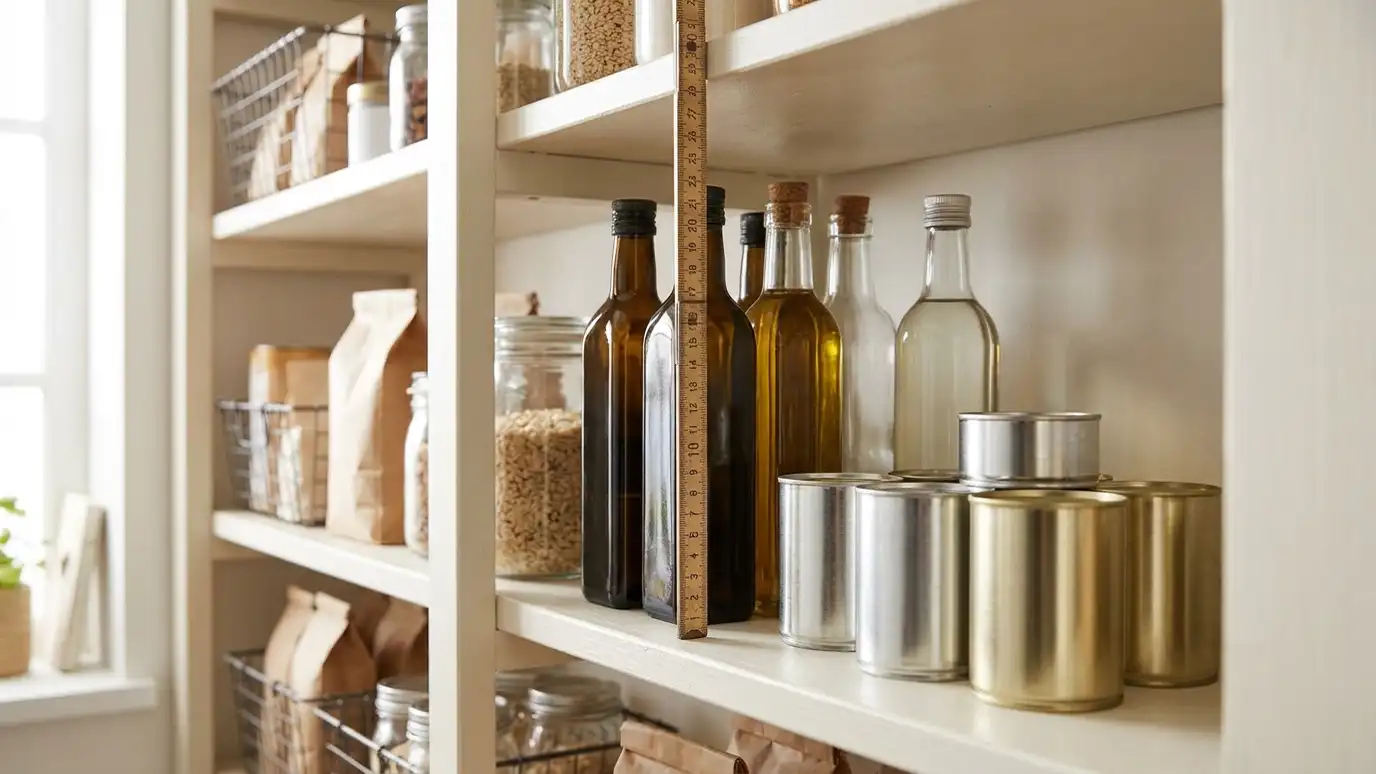
Measure your tallest bottle, your widest box and your largest appliance, then add a little room. Typical spacing runs from about seven to fourteen inches, with taller gaps for cereal and oils.
Adjustable tracks or pins let you change spacing as needs change, which is the best insurance against a bad guess.
Leave a little more height than seems necessary above tall items. A bottle that just fits is a nuisance to slide in and out, and a bit of breathing room makes every shelf easier to use.
Weight and support
Canned goods are heavy. A full shelf of cans can weigh dozens of pounds, so brackets must be anchored into studs and spans must be planned. Long spans need mid supports or thicker boards.
If you plan to store bulk items or appliances, tell your installer, so the system is built for the load.
Check the load rating of brackets and tracks, not just the boards. A strong shelf on weak hardware still fails, and the right fasteners into framing make the difference between a pantry that lasts and one that sags.
Edges, liners and finish
Edge banding keeps moisture out of boards, liners keep small items from slipping through wire and a sealed finish makes cleaning easy. These details are small but make a big difference to daily use.
Painted or stained finishes should be washable and low odor.
If you have young children or pets, rounded edges and sealed surfaces are worth the small extra effort. They are easier to clean and kinder to hands, and they keep the shelves looking good longer.
Planning before you build
Make a list of what you store, measure the tallest items and tape the layout on the wall. Walk through it as if you were using it. Our spacing tool turns your list into a suggested set of heights.
Plans cost almost nothing to change before anything is built.
Test your plan by placing boxes and bottles on a table at the proposed spacing. It takes ten minutes and often reveals a shelf that is slightly too low or too deep before anything is cut.
Choose a material that suits the use, set depth by zone, space shelves for real items and anchor everything into the studs.